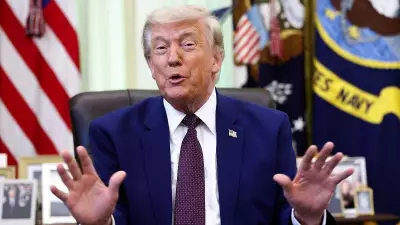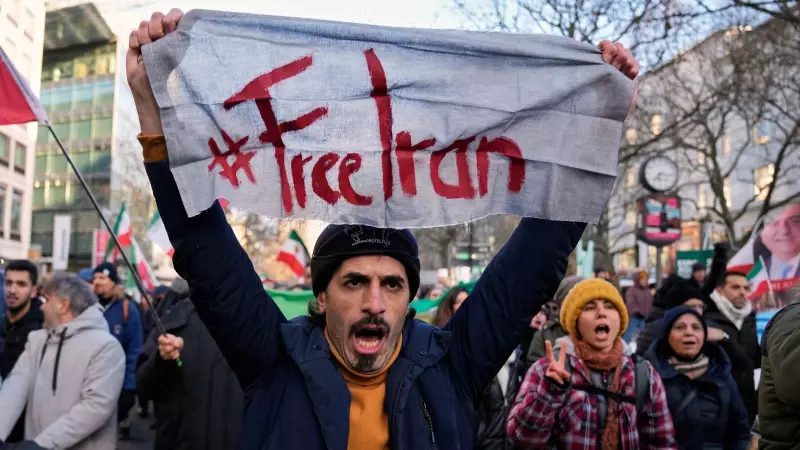
China has voiced strong opposition to a recent statement by former United States President Donald Trump. Trump threatened to impose tariffs on nations that continue to do business with Iran. The Chinese government responded firmly, labeling the threat as unacceptable.
China's Official Stance
Chinese officials made their position clear in a public statement. They argued that Trump's proposal violates fundamental principles of international law. The statement emphasized China's commitment to maintaining normal trade relations with Iran. This trade, according to China, falls within the bounds of legitimate international commerce.
Trump's Tariff Threat
Donald Trump, during a campaign event, reiterated his hardline approach towards Iran. He suggested that if re-elected, his administration would slap heavy tariffs on any country engaging in trade with Iran. Trump cited national security concerns as the primary reason for this potential policy shift.

This threat is not entirely new. Trump has a history of using tariffs as a tool in foreign policy. During his previous term, he imposed significant tariffs on Chinese goods, leading to a prolonged trade war.
International Reactions and Implications
The international community is watching this development closely. Many nations maintain economic ties with Iran, despite existing US sanctions. China, in particular, is a major trading partner for Iran. The two countries have strengthened their economic relationship in recent years.
If implemented, Trump's tariff threat could disrupt global trade patterns. It might force countries to choose between trading with Iran or facing punitive US measures. This situation creates uncertainty for businesses and governments worldwide.
Background on US-Iran Relations
The United States has maintained strict sanctions on Iran for decades. These sanctions aim to curb Iran's nuclear program and limit its regional influence. The Trump administration previously withdrew from the Iran nuclear deal, reinstating harsh economic penalties.
Current US policy under President Biden has shown some flexibility. However, Trump's latest comments indicate a potential return to maximum pressure tactics if he wins the upcoming election.
China's Strategic Interests
China's opposition to Trump's threat aligns with its broader strategic goals. Iran is a key partner in China's Belt and Road Initiative. Chinese investments in Iranian infrastructure and energy projects are substantial. Protecting these interests is crucial for Beijing.
Moreover, China often positions itself as a defender of multilateralism. Criticizing unilateral US actions helps bolster this image on the global stage.
The ongoing tension highlights the complex dynamics of international diplomacy. Trade policies frequently intersect with geopolitical rivalries. As the US presidential election approaches, such statements could influence diplomatic relations worldwide.