For years, fashion trends were defined by choosing a single identity: minimalist or maximalist, classic or experimental, understated or flamboyant. However, an increasing number of city women are rejecting this dichotomy. Instead of adopting one aesthetic, they are curating wardrobes that toggle between practicality and personality as the occasion demands. As a result, quiet luxury and quirky fashion now coexist in the same closets. Quiet luxury dominates workwear, everyday dressing, and investment purchases, while expressive fashion has carved a new role in emotional dressing, social visibility, and creative self-expression. These trends are converging to create what fashion analysts call a "dual wardrobe" culture.
Why Quiet Luxury Became the Urban Uniform
Quiet luxury did not emerge because women suddenly lost interest in fashion. Rather, modern urban lifestyles demand practicality, versatility, and repeat wear. Quiet luxury is about dressing down with neutral palettes, clean tailoring, premium fabrics, structured silhouettes, and minimal branding. It prioritizes refinement over visible status. Internationally, this trend gained momentum after years of luxury fatigue and oversaturation of fast-moving microtrends on social media.
An EY luxury consumer report found that over 70 percent of aspirational luxury buyers now prioritize product quality and longevity over visible status symbols. Consumers are becoming more discerning, judging clothing on durability, versatility, and long-term value rather than trend cycles alone. Economic conditions have also played a significant role. Rising living costs and inflation in cities worldwide have led to more deliberate shopping. Instead of buying multiple trend-driven items, consumers purchase clothing that can be worn in multiple settings—business meetings, travel, dinner, or casual social events. This is especially true for urban working women, whose wardrobes are increasingly built around efficiency. A classic blazer, monochrome co-ord set, tailored trousers, or neutral dress can be worn repeatedly without looking dated. The appeal lies not just in aesthetics but in reducing decision fatigue.

Fashion psychologists often associate minimalist dressing with cognitive ease. Simplified wardrobes save mental energy on everyday styling decisions in high-pressure urban environments. This explains why capsule wardrobes and "uniform dressing" have become popular among professionals globally. However, quiet luxury has limits: it provides structure and function but not necessarily emotional or creative expression. This is where quirky and expressive fashion retains its cultural value.
The Emotional Function of Quirky Fashion
Even if the prevailing aesthetic online and in luxury retail is minimalist, expressive dressing has not disappeared. Instead, its function has evolved. Today, quirky fashion is less about everyday wear and more about emotional dressing. Women increasingly choose bold clothing for specific occasions: vacations, concerts, social events, cultural outings, festivals, creative workspaces, or when visibility and individualism take precedence over practicality. This aligns with the rise of "dopamine dressing," a term coined by fashion experts that gained traction post-pandemic. Consumers turned to color, experimentation, and nostalgic styling as emotional responses to stress, burnout, and uncertainty. Fashion became about feeling better rather than being flawless.
Social media has further complicated fashion identity. On TikTok, Instagram, and other platforms, users are inundated with multiple aesthetics simultaneously—old money dressing, Scandinavian minimalism, Y2K, indie sleaze, cottagecore, vintage revival, and maximalist styling. Digital culture is fluid, and younger consumers are no longer brand loyal to a single visual identity. Studies from fashion institutions like SCAD indicate that Gen Z consumers increasingly associate authenticity with flexibility rather than consistency. Many now change their aesthetics based on context, mood, or social environment, rather than wearing the same clothes daily. This is why expressive fashion survives even under the reign of quiet luxury—it serves a different psychological need.

The Birth of the Dual Wardrobe
The real story in urban style today is not quiet luxury versus quirky fashion but the arrival of wardrobes built on multiple identities. Modern city women are constructing two parallel systems in one closet. The first is a functional wardrobe: neutral basics, personalized essentials, quality staples, versatile layering items, and workwear-friendly clothes. The second is a statement wardrobe: statement dresses, bold accessories, handcrafted items, experiments with silhouettes, and splashy styling features. These categories complement rather than replace each other.
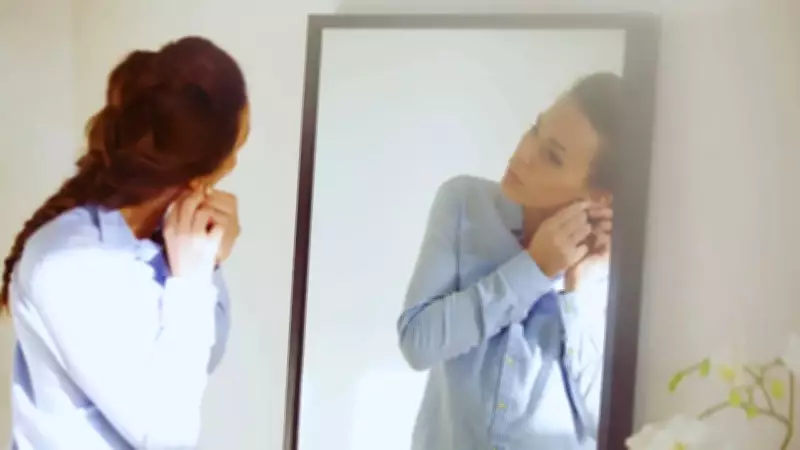
A woman might wear a beige monochrome outfit but accessorize it with sculptural earrings or a brightly colored handbag. She could wear a printed dress to a social gathering but pair it with neutral shoes and structured outerwear. This layering is about adaptability, not aesthetic loyalty. The shift also reflects changing attitudes toward consumption. Consumers are increasingly aware of sustainability issues and are moving away from excessive trend shopping.
This article has been contributed by Shubha Mitra, Founder, Shubha Design Studio and Laadla Laadli India.