European Union Halts GSP Benefits for Indian Exports
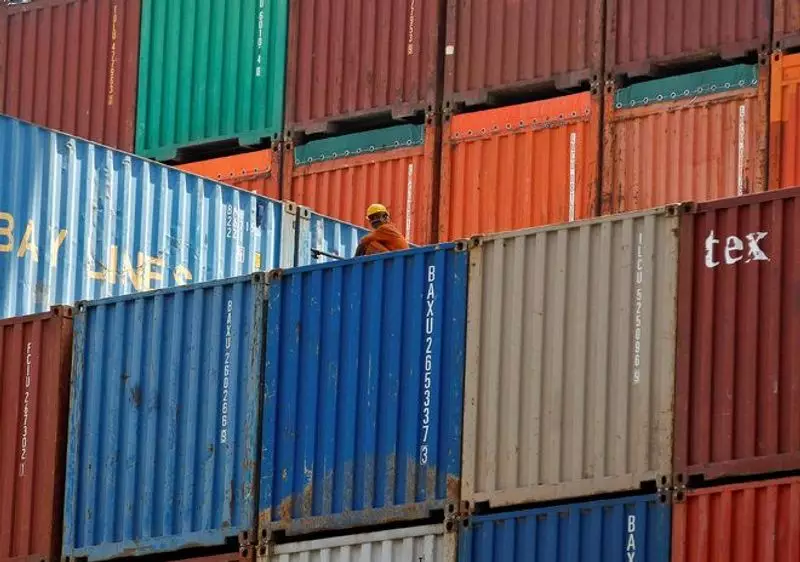
The European Union has officially suspended the Generalized System of Preferences (GSP) benefits for India, marking a significant development in bilateral trade relations. This decision directly impacts India's export shipments to the EU market, which is one of the country's largest trading partners.
Immediate Consequences for Key Export Sectors
The suspension of GSP benefits means that numerous Indian products will no longer enjoy preferential tariff rates when entering European markets. This change is expected to affect several crucial sectors of the Indian economy. Textiles and apparel, which have traditionally benefited from these preferences, now face increased competition. Similarly, chemical products and engineering goods will encounter higher trade barriers, potentially reducing their competitiveness in price-sensitive European markets.
Background and Rationale Behind the EU Decision
The European Union's decision to suspend GSP benefits follows a comprehensive review of India's compliance with international conventions related to human rights and labor standards. The GSP scheme is designed to support developing countries by providing tariff reductions, but it comes with conditions regarding sustainable development and good governance. The EU has expressed concerns about India's adherence to certain international norms, leading to this suspension after diplomatic discussions failed to resolve the issues.

This move represents a shift in the EU's trade policy approach toward India, which has been a beneficiary of the GSP scheme for decades. The suspension underscores the growing emphasis on linking trade preferences with broader social and environmental standards in international agreements.
Potential Economic Impact on Indian Exporters
Indian exporters are likely to face immediate challenges due to this development. The removal of preferential tariffs could lead to:
- Increased export costs for Indian manufacturers
- Reduced price competitiveness compared to other developing nations
- Potential loss of market share in European countries
- Pressure on profit margins across affected industries
The timing is particularly challenging as global trade faces uncertainties from geopolitical tensions and economic slowdowns. Indian businesses may need to explore alternative markets or enhance efficiency to maintain their export volumes.
Government Response and Future Negotiations
The Indian government has acknowledged the EU's decision and is evaluating its implications for the export sector. Officials have indicated that diplomatic channels remain open for further discussions to address the EU's concerns. There is potential for reinstatement of benefits if India demonstrates progress on the cited issues, though this would require substantive policy adjustments and verification processes.
This development also highlights the evolving nature of international trade agreements, where economic benefits are increasingly tied to compliance with non-trade related standards. For India, this represents both a challenge and an opportunity to align its domestic policies with global expectations while protecting its economic interests.