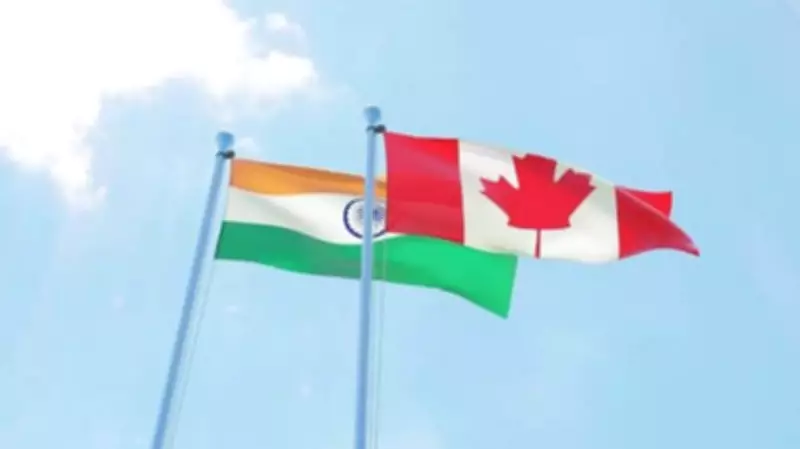
India and Canada have officially commenced the next round of talks for a proposed free trade agreement (FTA), aiming to strengthen economic ties between the two nations. The negotiations, which began on [date], are focused on enhancing bilateral trade in goods and services, as well as fostering investment and regulatory cooperation.
Key Areas of Discussion
The talks cover a wide range of sectors, including agriculture, pharmaceuticals, information technology, and renewable energy. Both sides are seeking to reduce tariffs and non-tariff barriers that currently hinder trade flows. According to officials, the discussions are progressing constructively, with shared interests in promoting sustainable development and inclusive growth.
Trade Volume and Potential
Bilateral trade between India and Canada stood at approximately $8 billion in 2023, with significant potential for expansion. India is keen to increase its exports of textiles, leather goods, and engineering products, while Canada aims to boost shipments of pulses, timber, and minerals. The FTA is expected to create new opportunities for small and medium enterprises (SMEs) in both countries.

Strategic Importance
This round of negotiations comes amid global supply chain diversification efforts. Canada is a key partner for India in the Indo-Pacific region, and the FTA aligns with India’s broader strategy of strengthening economic engagement with developed economies. For Canada, India offers a vast market of over 1.4 billion consumers and a growing middle class.
Challenges and Next Steps
Despite optimism, some contentious issues remain, including intellectual property rights, data localization, and market access for dairy products. Both sides have expressed willingness to find mutually acceptable solutions. The next round of talks is scheduled for [future date], with the aim of concluding negotiations by [target date].
Trade experts believe that a comprehensive FTA could significantly boost bilateral commerce, potentially doubling trade volumes within five years. The agreement is also expected to facilitate greater people-to-people ties and cooperation in education and technology.