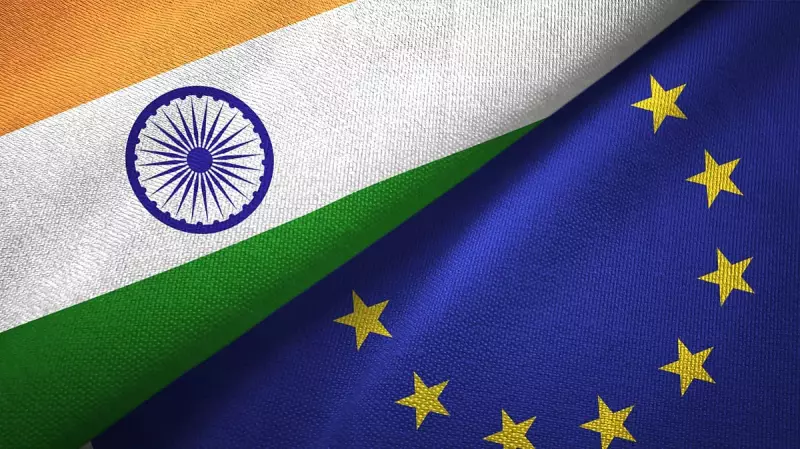
After years of complex negotiations, India and the European Union have made substantial progress toward finalizing a comprehensive free trade agreement, marking a pivotal moment in bilateral economic relations. The pact aims to boost trade flows, reduce tariffs, and enhance market access between two of the world's largest economies, with potential benefits for sectors ranging from agriculture to technology.
Key Agreements Reached in the India-EU FTA Talks
Negotiators have successfully agreed on several critical components of the free trade pact. These include mutual tariff reductions on a wide array of goods, streamlined customs procedures to facilitate smoother trade, and enhanced intellectual property protections to foster innovation. Additionally, provisions for services trade and investment have been outlined, aiming to create a more predictable business environment for companies operating across borders.
What's at Stake for India and the European Union
The stakes are high for both parties. For India, the agreement promises increased exports to the EU market, particularly in textiles, pharmaceuticals, and IT services, which could drive economic growth and job creation. For the European Union, access to India's vast consumer base and competitive manufacturing sectors offers opportunities for European businesses to expand their global footprint. However, sensitive issues such as agricultural subsidies, data localization, and labor standards remain points of contention that could impact the final deal.

Parliamentary Hurdles and Ratification Challenges
Despite the progress, ratification of the India-EU free trade pact faces potential delays due to parliamentary hurdles within the European Union. A recent vote by EU lawmakers to challenge the EU-South America trade agreement in the bloc's top court underscores how legal and political scrutiny can complicate the approval process. This precedent highlights the need for careful navigation of EU institutional frameworks, which could slow down or alter the pact's implementation timeline.
Implications of the EU-South America Pact Challenge
The EU lawmakers' move to contest the South America agreement in court serves as a cautionary tale for the India-EU FTA. It demonstrates that even after negotiations conclude, parliamentary approval and judicial reviews can introduce uncertainties. Factors such as environmental concerns, human rights considerations, and economic impacts on specific industries may influence lawmakers' decisions, potentially requiring renegotiations or additional clauses to secure ratification.
As both sides work toward finalizing the agreement, stakeholders are closely monitoring developments to assess how these hurdles might affect trade dynamics and economic cooperation in the coming years.