Historic India-EU Trade Agreement Reached After 20 Years of Negotiations
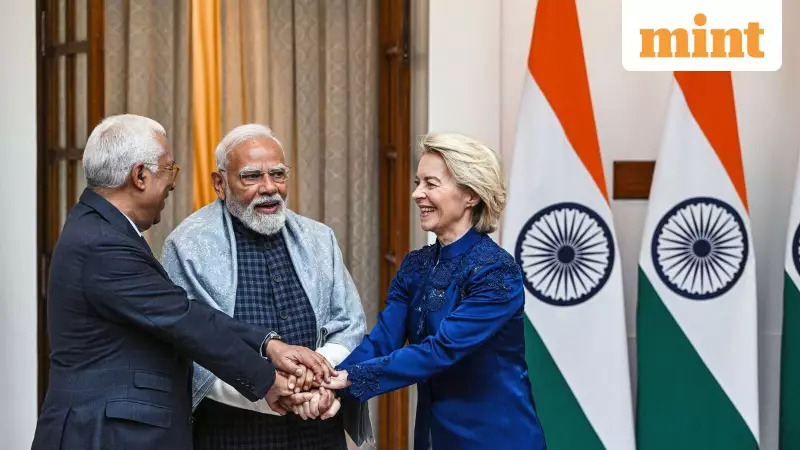
In a landmark development for global commerce, India and the European Union have finalized a comprehensive trade agreement that has been in the works for nearly two decades. Indian Prime Minister Narendra Modi made the significant announcement on Tuesday, January 27, marking a pivotal moment in international economic relations.
A Long-Awaited Breakthrough in Bilateral Relations
The agreement represents a major breakthrough following approximately 20 years of intermittent discussions between the two economic powerhouses. Prime Minister Modi confirmed that the substantial pact was concluded on January 26, describing it as what global observers are calling the "mother of all deals." This strategic move comes as both India and the EU seek to safeguard their economic interests amid evolving global dynamics, particularly in relation to changing relationships with the United States.
This historic agreement will enable India to access the extensive European market, which has previously been restricted, allowing for enhanced free trade with the 27-member European Union bloc. The EU stands as India's largest trading partner, with bilateral trade reaching an impressive $136.5 billion in the fiscal year ending March 2025.

Strategic Implications and Economic Opportunities
According to Prime Minister Modi, this agreement will create substantial opportunities for India's vast population of 1.4 billion citizens as well as the millions residing across European nations. The official signing of the India-EU agreement is anticipated to occur following a comprehensive legal review, which is projected to take approximately five to six months according to government officials familiar with the process.
The negotiations journey has been complex, beginning in 2007 before stalling in 2013 due to disagreements over tariffs, standards, and market entry requirements. Discussions were reignited in 2022 as geopolitical pressures compelled both parties to reevaluate their supply chains and strategic alliances in an increasingly multipolar world.
Expert Analysis: Beyond Simple Trade
Tushar Badjate, Director of Badjate Stock & Shares Pvt Ltd, provided insightful commentary on the agreement's broader implications. "If executed well, this deal is not just about trade—it's about repositioning India deeper into global manufacturing and services value chains," he explained. "The agreement aims to slash tariffs across most goods, ease regulatory friction, and open doors in services and investment."
Badjate emphasized that this represents a strategic opportunity rather than a straightforward benefit. "This is a strategic opportunity, not a free lunch. Winners will be those who adapt fast—because in global trade, hesitation is the most expensive tariff of all."
Sectoral Impact: Winners and Potential Challenges
According to Badjate's analysis, several Indian sectors stand to benefit significantly from the agreement:
- Textiles and Apparel: Lower EU tariffs and smoother compliance procedures could enhance export competitiveness
- Leather Goods: Improved market access to European consumers
- Pharmaceuticals: Potential for expanded European market presence
- Engineering Goods: Reduced trade barriers could boost exports
- IT Services: Enhanced opportunities in the European digital economy
For European industries, Badjate identified several sectors that could gain meaningful access to India's rapidly growing consumer market:

- Automobiles: Entry into one of the world's fastest-growing automotive markets
- Luxury Goods: Access to India's expanding affluent consumer base
- Machinery and Chemicals: Opportunities in India's industrial development
- Clean Technology: Potential partnerships in sustainable development initiatives
However, Badjate also cautioned about potential challenges. "Every deal has a flip side," he noted. "Indian auto, dairy, and select MSME segments may feel the heat from cheaper European imports, while carbon norms and non-tariff barriers from the EU could quietly cap upside for exporters."
Market Implications: Stocks to Watch
Market analysts have identified several companies that could be impacted by the India-EU trade agreement:
Potential Beneficiaries:
- Auto Ancillaries: Companies like Motherson, Bharat Forge, and Sona BLW may benefit from export opportunities to the EU and potential tariff advantages that could enhance volumes and profit margins.
- Textile Companies: Firms such as Welspun Living and Gokaldas Exports could see improved access to EU markets, potentially boosting demand and enhancing competitiveness.
- Watch Retailers: Companies including Timex, Ethos, and KDDL might benefit from reduced duties on watch imports, facilitating volume growth and bolstering margins.
Potential Challenges:
- Tata Motors: Increased competition for Jaguar Land Rover in European markets may impact pricing strength and profit margins.
- Sula Vineyards: Inexpensive wine imports from the EU might exert pressure on pricing and market share in the domestic market.
Prime Minister Modi and Ursula von der Leyen, President of the European Commission, are expected to jointly announce the specific details of the agreement during an India-EU summit scheduled to take place in New Delhi later on Tuesday. This announcement will provide greater clarity on the implementation timeline and specific provisions of this historic trade pact.
Disclaimer: The views and recommendations mentioned above are those of individual analysts or broking companies, and not of Mint. Investors are advised to consult with certified experts before making any investment decisions.