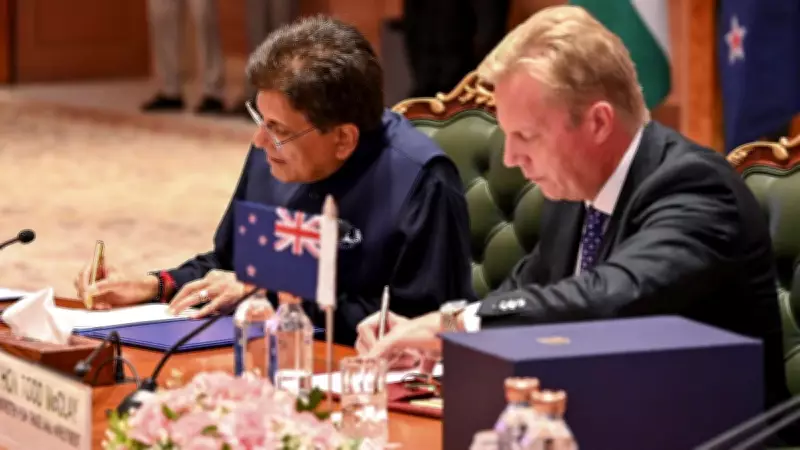
India and New Zealand have taken a significant step forward in deepening their economic partnership with a new trade and investment agreement. The deal, which has been carefully negotiated, includes essential safeguards designed to protect India's sensitive domestic sectors from potential adverse impacts. This balanced approach allows both nations to benefit from increased market access while ensuring that key industries in India remain shielded from undue competition.
Key Features of the Agreement
The trade pact covers a wide range of areas, including goods, services, and investment. Under the agreement, India will gain improved access to New Zealand's market for its products and services, while New Zealand will receive similar benefits in India. However, the deal explicitly excludes certain sensitive products from full liberalization, allowing India to maintain tariff protections on items such as dairy, agricultural produce, and some manufactured goods. These exclusions are critical for safeguarding the livelihoods of millions of small farmers and workers in vulnerable industries.
Strategic Safeguards
One of the most notable aspects of the agreement is the inclusion of robust safeguard mechanisms. These provisions enable India to temporarily reimpose tariffs or other restrictions if a surge in imports from New Zealand threatens to cause serious injury to domestic producers. The safeguards are designed to be transparent and time-bound, ensuring that they are used only in exceptional circumstances. Additionally, the deal includes a dispute resolution mechanism that allows either party to address concerns about unfair trade practices.

Investment and Services
On the investment front, the agreement encourages bilateral flows by providing a stable and predictable framework. India has committed to easing restrictions in certain service sectors, such as information technology and professional services, while retaining the right to regulate in areas of national interest. New Zealand, in turn, has offered greater access for Indian skilled professionals and investors. The deal also includes provisions on intellectual property rights, which aim to foster innovation and technology transfer.
Balancing Benefits and Protections
The trade deal reflects India's evolving approach to international trade, which emphasizes both openness and the need to protect domestic interests. By negotiating essential safeguards, India has ensured that the agreement does not undermine its policy space to support local industries and farmers. The deal is expected to boost bilateral trade volumes significantly, with both countries identifying new opportunities in sectors such as agriculture, pharmaceuticals, renewable energy, and education.
Reactions and Next Steps
Industry bodies in India have largely welcomed the agreement, praising its balanced nature. Farmer unions and representatives of sensitive sectors have expressed cautious optimism, noting that the safeguards address their primary concerns. The next step involves the ratification of the deal by both countries' parliaments, which is expected to proceed smoothly given the broad political support. Once implemented, the agreement will come into force gradually, with tariff reductions phased in over several years to allow domestic industries time to adjust.
In conclusion, the India-New Zealand trade deal represents a pragmatic and mutually beneficial arrangement. By incorporating essential safeguards, India has managed to deepen its economic ties with New Zealand while protecting its most vulnerable sectors. This approach could serve as a model for future trade negotiations, demonstrating that it is possible to achieve greater market access without compromising domestic priorities.