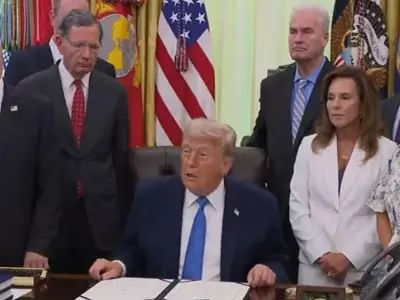
The India-United Kingdom Free Trade Agreement (FTA) is set to take effect on July 15, marking a significant milestone in bilateral economic relations. This comprehensive pact is expected to be a game changer for both nations, opening up new opportunities for trade, investment, and job creation.
Key Highlights of the Agreement
The FTA covers a wide range of sectors, including goods, services, and intellectual property. Key provisions include the elimination or reduction of tariffs on 95% of goods traded between the two countries. Indian exports such as textiles, leather, pharmaceuticals, and agricultural products will benefit from preferential access to the UK market. Meanwhile, UK exports like machinery, chemicals, and luxury goods will gain easier entry into India.
Boosting Bilateral Trade
Currently, bilateral trade stands at around $50 billion. The agreement is projected to increase this to $100 billion by 2030. The removal of non-tariff barriers and streamlined customs procedures will facilitate smoother trade flows. Additionally, the pact includes provisions for mutual recognition of standards and professional qualifications, reducing red tape for businesses.

Investment and Services
The FTA also liberalizes investment norms, allowing greater access for UK companies in sectors like insurance, banking, and retail. Indian professionals in IT, healthcare, and engineering will find it easier to work in the UK under new visa provisions. The agreement includes a chapter on digital trade, promoting e-commerce and data flows while ensuring data privacy.
Strategic Significance
This agreement is India's first comprehensive FTA with a major European economy. It strengthens India's position as a manufacturing hub and aligns with the UK's post-Brexit trade strategy. The pact also includes cooperation on climate change, sustainable development, and technology transfer.
Challenges and Implementation
While the FTA offers immense potential, challenges remain. Issues such as rules of origin, intellectual property enforcement, and market access for agricultural products require careful monitoring. Both countries have established a joint committee to oversee implementation and resolve disputes.
The India-UK FTA is expected to create thousands of jobs in both countries, boost GDP growth, and enhance competitiveness. As the pact takes effect on July 15, businesses and consumers alike can look forward to a new era of economic partnership.