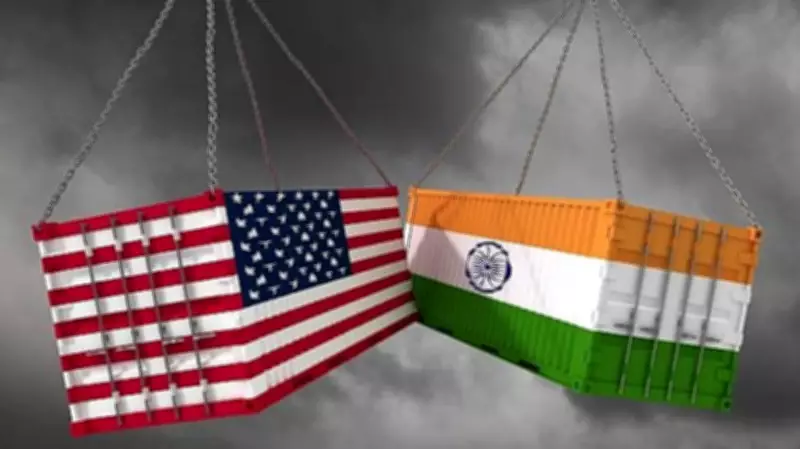
India and the United States are on the verge of finalizing a bilateral trade agreement, with the resolution of tariff disputes hinging on relief from Section 301 trade measures, according to a recent report. The negotiations have gained momentum as both sides seek to strengthen economic ties and resolve long-standing trade frictions.
US Delegation to Visit New Delhi for Trade Talks
A delegation from the United States, led by Assistant US Trade Representative for South and Central Asia Brendan Lynch, is scheduled to arrive in New Delhi on Tuesday for three days of discussions with Indian trade officials. The talks aim to narrow differences on key issues, including tariff reductions and market access, which have been sticking points in previous negotiations.
Section 301 Relief as a Central Issue
The trade pact's success largely depends on whether the US grants India relief from Section 301 tariffs, which were imposed on certain Indian exports in response to trade practices deemed unfair by Washington. India has sought the removal of these tariffs, which have affected sectors such as steel, aluminum, and information technology. In return, India is expected to offer concessions on import duties for American products like agricultural goods and medical devices.

Officials from both sides have expressed optimism about reaching a deal, though some contentious issues remain. The US is pushing for greater access to India's dairy and poultry markets, while India is seeking more predictable visa policies for its skilled workers. The two countries have also discussed cooperation in areas like digital trade, intellectual property rights, and supply chain resilience.
Potential Impact on Bilateral Trade
A successful trade pact could significantly boost bilateral trade, which currently stands at over $190 billion annually. Analysts estimate that removing tariff barriers and enhancing regulatory cooperation could increase trade by $50 billion over the next five years. For India, the deal would provide a much-needed impetus to its export sector, while the US would benefit from lower costs for imported goods and expanded market opportunities.
The negotiations come amid a broader strategic alignment between India and the US, with both countries cooperating on defense, technology, and climate change. A trade agreement would further cement their partnership and serve as a counterbalance to China's growing economic influence in the region.
Next Steps and Timeline
Following the talks in New Delhi, the two sides are expected to finalize the text of the agreement within the next few weeks. If approved by both governments, the pact could be signed by the end of the year. However, some experts caution that political considerations in both countries could delay the process. In the US, concerns over job losses in manufacturing sectors may prompt lawmakers to scrutinize the deal, while in India, domestic industries have expressed apprehensions about increased competition from American imports.
Despite these challenges, the overall trajectory remains positive. The upcoming talks represent a critical juncture in India-US trade relations, and a successful outcome would mark a significant milestone in their economic partnership.