

India and the United States Conclude Historic Trade Agreement
In a landmark development for global trade, India and the United States have officially sealed a comprehensive trade deal, bringing an end to a protracted tariff standoff that lasted over a year. This agreement is poised to reshape bilateral economic ties and foster greater cooperation between the two nations.
Resolving the Tariff Impasse
The trade deal comes after months of intense negotiations aimed at addressing key issues that had led to the imposition of tariffs by both sides. The standoff had created uncertainty in trade relations, impacting various sectors including agriculture, technology, and manufacturing. With this new agreement, both countries have agreed to reduce or eliminate certain tariffs, paving the way for smoother trade flows and enhanced market access.
Timeline of Key Events Leading to the Deal
The journey to this agreement has been marked by several pivotal moments:

- Initial Tariff Announcements: The dispute began when the US imposed tariffs on Indian steel and aluminum, citing national security concerns. India responded with retaliatory tariffs on American goods.
- Negotiation Rounds: Multiple rounds of talks were held between trade officials from both nations, focusing on finding a mutually acceptable solution.
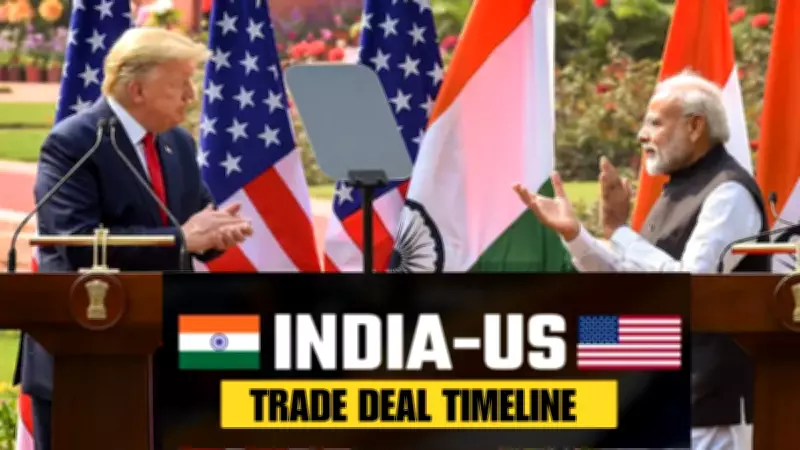
- High-Level Diplomacy: Discussions between former US President Donald Trump and Indian Prime Minister Narendra Modi played a crucial role in breaking the deadlock and setting the stage for the final agreement.
- Final Agreement: After thorough deliberations, the deal was finalized, addressing core issues and setting a framework for future trade relations.
Implications for Bilateral Relations
This trade deal is expected to have far-reaching implications for India-US relations. It not only resolves immediate trade tensions but also strengthens the strategic partnership between the two democracies. Enhanced trade cooperation is likely to boost economic growth, create jobs, and promote innovation in both countries.
Experts believe that this agreement could serve as a model for other nations facing similar trade disputes, highlighting the importance of dialogue and compromise in international relations.
As India and the US move forward, the focus will now shift to implementing the terms of the deal and exploring new avenues for collaboration in areas such as technology, defense, and climate change.






