India and the United States Resume Crucial Trade Negotiations in Washington
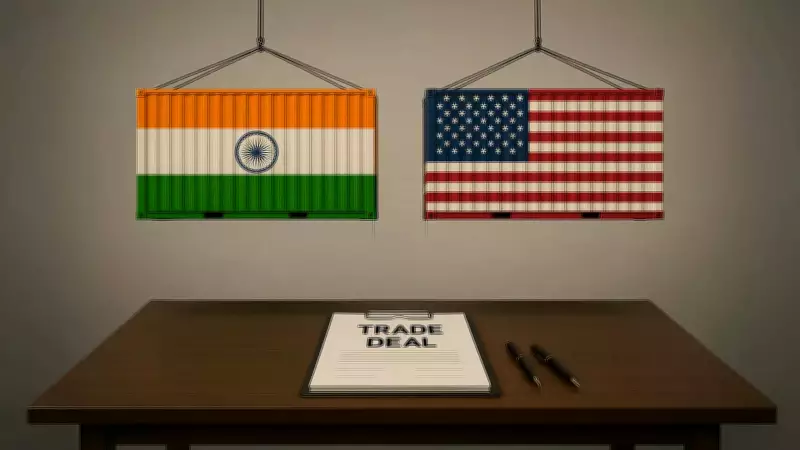
A delegation of approximately twelve officials from India is traveling to Washington this week to resume high-stakes trade negotiations with the United States. The discussions, scheduled from April 20 to 22, will focus on the first phase of the proposed bilateral trade agreement (BTA), marking a significant step in economic diplomacy between the two nations.
Leadership and Delegation Details
The Indian team will be led by Darpan Jain, the chief negotiator and additional secretary in the Department of Commerce. "The meeting will happen from April 20-22 in Washington DC. India's chief negotiator Darpan Jain is leading the team," an official confirmed to PTI. The delegation also includes officers from the Customs Department and the Ministry of External Affairs, ensuring a comprehensive approach to the talks.
Impact of Recent US Tariff Changes
This round of negotiations comes after substantial shifts in the US tariff system, which have necessitated a reevaluation of the trade agreement finalized earlier this year and released on February 7. A pivotal development occurred when the US Supreme Court struck down reciprocal tariffs imposed under the 1977 International Emergency Economic Powers Act. In response, the US administration introduced a temporary flat 10% tariff on all countries, effective from February 24 for 150 days.

These changes led to the postponement of a planned February meeting between the chief negotiators. The rescheduled talks in Washington will now proceed under this updated tariff framework, which has diminished India's relative advantage under the previous arrangement. "So the agreement will have to be recalibrated, redrafted," a government source stated, adding that significant adjustments are expected from the US side.
Flexibility in Negotiations
India retains a strategic advantage in these negotiations, as the agreement has not yet been signed. "In our case, since the agreement has not been signed, we have got the option where we can right now change whatever needs to be changed," the source emphasized. This flexibility allows India to adapt the terms to better align with the new economic realities created by the US tariff policies.
Addressing Section 301 Investigations
Beyond tariff issues, the discussions are anticipated to address two investigations initiated by the US Trade Representative under Section 301 of its trade law. India has contested the allegations in these probes and has formally requested their withdrawal, arguing that the initiation notices lack adequate justification. These investigations add another layer of complexity to the negotiations, as both sides navigate legal and trade policy challenges.
Global Trade Context and India's Shifting Patterns
The talks are occurring at a critical juncture when countries worldwide are reassessing their positions under the revised US tariff system. This period of change in global trade dynamics underscores the importance of these bilateral discussions. Simultaneously, India's trade patterns have evolved significantly.
In 2025-26, China replaced the United States as India's largest trading partner, ending the US's four-year streak from 2024-25. Latest trade figures reveal:
- India's exports to the US increased slightly by 0.92% to $87.3 billion in the last financial year.
- Imports from the US grew by 15.95% to $52.9 billion.
- This resulted in a narrowing trade surplus for India, which decreased to $34.4 billion in 2025-26 from $40.89 billion in the previous year.
These shifts highlight the dynamic nature of international trade and the need for agile policy responses. The upcoming negotiations in Washington are poised to shape the future of India-US economic relations, with potential implications for trade balances, investment flows, and broader diplomatic ties.