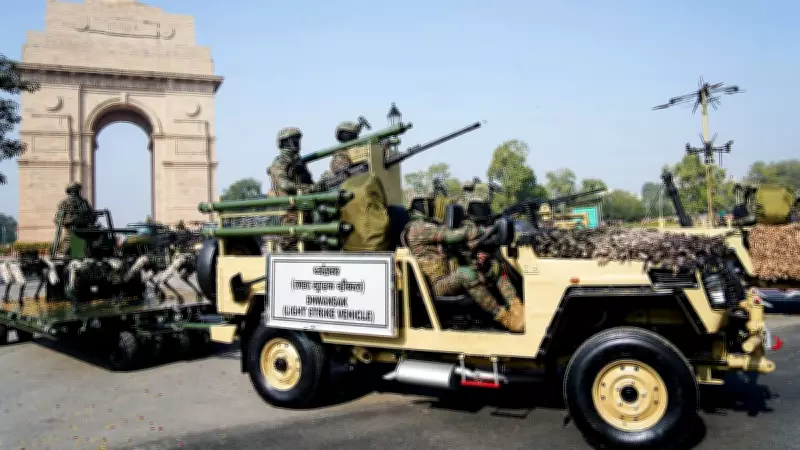
India has set an ambitious target to become one of the world's leading arms sellers by 2026. The nation, historically one of the largest importers of defence equipment, is now pivoting towards self-reliance and export-oriented manufacturing. This shift is driven by policy reforms, increased private sector participation, and a focus on indigenous production.
Current Defence Export Landscape
India's defence exports have grown significantly in recent years, from around USD 1.5 billion in 2016-17 to over USD 3 billion in 2025-26. The country exports to more than 85 nations, with key buyers including the United States, France, and Israel. Major exported items include missile systems, radars, and naval vessels.
Government Initiatives
The Indian government has introduced several measures to boost defence manufacturing and exports. The Defence Export Strategy aims to increase exports to USD 5 billion by 2026. The government has streamlined licensing processes, offered financial incentives, and established defence industrial corridors. The 'Make in India' initiative has been pivotal in attracting foreign original equipment manufacturers to set up production facilities in India.

Additionally, the Defence Acquisition Procedure has been revised to prioritize indigenous equipment. The government has also identified specific export markets, focusing on friendly foreign nations in Southeast Asia, the Middle East, and Africa.
Challenges Ahead
Despite progress, India faces stiff competition from established arms exporters like the United States, Russia, and China. Quality perception, technology gaps, and after-sales service remain areas of concern. The defence industry also requires significant investment in research and development to produce cutting-edge systems.
Another challenge is the complex regulatory environment and bureaucratic hurdles that can delay export clearances. Moreover, geopolitical factors and sanctions policies can impact trade relations with certain countries.
Strategic Partnerships
India is leveraging strategic partnerships to enhance its defence export capabilities. Joint ventures with countries like France for fighter jets and with Israel for missile systems have boosted technology transfer. The government is also promoting co-development and co-production models, allowing Indian firms to participate in global supply chains.
India's participation in multilateral exercises and defence expos has helped showcase its products. The country has also signed mutual defence agreements with several nations, facilitating smoother export processes.
Future Outlook
To achieve the 2026 target, India needs to double its current export levels. This requires sustained policy support, increased private sector investment, and a focus on niche technologies like drones and cyber defence. The government aims to create a robust ecosystem that not only meets domestic needs but also positions India as a reliable supplier in the global arms market.
Experts believe that with the right mix of policies and industry collaboration, India can emerge as a significant player in the defence export sector. The journey from being a major importer to a leading exporter is challenging but achievable with continued reforms and strategic focus.