

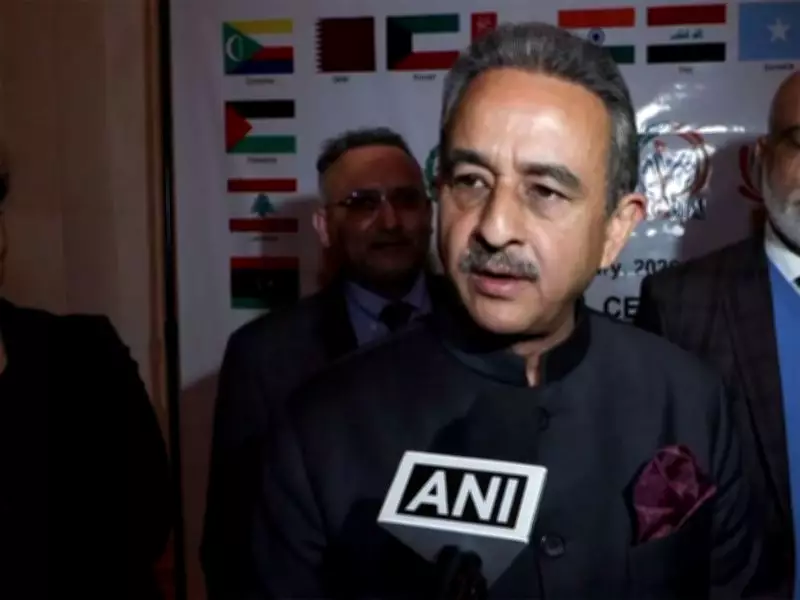
In a significant address on the evolving landscape of international commerce, Minister of State Kirti Vardhan Singh has articulated a clear vision for India's engagement with the world. He emphasized that regional cooperation is emerging as a pivotal pathway forward as global trade rules undergo substantial shifts. This statement underscores India's proactive stance in adapting to the changing dynamics of the global economy, where traditional frameworks are being re-evaluated and new alliances are forming.
The Imperative for Regional Collaboration
Singh highlighted that the current transformations in global trade regulations necessitate a more cohesive and collaborative approach among nations within specific regions. He pointed out that as multilateral systems face challenges, regional partnerships offer a viable alternative to foster economic growth, enhance stability, and address common challenges. This perspective aligns with India's broader foreign policy objectives, which prioritize strengthening ties with neighboring countries and regional blocs to bolster trade and investment flows.
India's Strategic Role in Shaping Trade Norms
The Minister of State elaborated on India's role in this context, noting that the country is actively participating in dialogues and initiatives aimed at reshaping trade norms. By advocating for regional cooperation, India seeks to leverage its economic clout and diplomatic influence to create more equitable and sustainable trade environments. Singh's remarks reflect a recognition that in an era of geopolitical uncertainties and protectionist tendencies, collaborative efforts at the regional level can serve as a buffer and a catalyst for mutual prosperity.

Challenges and Opportunities in the New Trade Era
Singh acknowledged the complexities involved in navigating the shifting global trade rules, including issues related to digital trade, supply chain resilience, and environmental standards. However, he expressed optimism that regional cooperation can help mitigate these challenges by fostering innovation, sharing best practices, and building resilient economic networks. This approach not only enhances India's trade prospects but also contributes to global economic stability by promoting inclusive growth and reducing disparities.
Future Directions and Policy Implications
Looking ahead, Singh called for sustained efforts to deepen regional integration through trade agreements, infrastructure development, and people-to-people exchanges. He stressed that such initiatives are crucial for harnessing the full potential of regional economies and ensuring that the benefits of trade are widely distributed. This vision positions India as a key player in shaping the future of international trade, with a focus on cooperation over competition in an interconnected world.
In summary, Minister of State Kirti Vardhan Singh's advocacy for regional cooperation marks a strategic response to the evolving global trade landscape. By emphasizing collaboration and shared goals, India aims to navigate the uncertainties of shifting trade rules while fostering a more prosperous and stable economic future for all involved regions.






