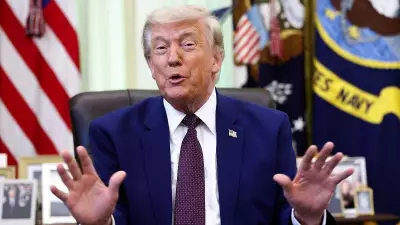
In a significant development for international trade and healthcare, the United Kingdom has struck a new deal with the United States government under Donald Trump. The agreement involves a major shift in how the UK's National Health Service (NHS) pays for innovative medicines, with substantial financial implications.
The Core of the US-UK Pharmaceutical Deal
As part of this new arrangement, the NHS is preparing to pay approximately 25% more for innovative pharmaceutical drugs. This increase is not an isolated policy change but is directly linked to a trade concession from the United States. In return for accepting higher drug costs, the United Kingdom has secured a crucial exemption from significant US tariffs on pharmaceutical imports.
These American tariffs, which came into force on October 1, imposed a heavy burden on drug exports. The UK is now the only country to have successfully negotiated such an exemption. Other major pharmaceutical producers, including the European Union and Switzerland, continue to face these tariffs, which total a substantial 15% on their exports to the US market.

Financial Impact and NHS Budget Reallocation
The financial ramifications of this deal are profound. According to a report by The Guardian citing industry sources, the increased spending on drugs could cost the NHS around £3 billion in higher expenditure over the next three years. This is a significant sum that will inevitably affect the overall healthcare budget.
This additional spending is expected to increase the portion of the NHS budget dedicated to medicines for several key disease areas. The focus will be on conditions where medical innovation is delivering new treatments, including:
- Breast cancer
- Asthma
- Motor neurone disease
The deal essentially prioritises funding for breakthrough drugs in these and similar fields, potentially accelerating patient access to the latest therapies.
Broader Implications for Trade and Healthcare Policy
This agreement represents a strategic trade-off between domestic healthcare costs and international export competitiveness. By agreeing to pay more for drugs, the UK government is shielding its pharmaceutical industry from a punitive 15% tariff in one of the world's largest markets. This could provide a relative advantage to British drug manufacturers over their European and Swiss competitors.
For the NHS, the deal means a conscious decision to allocate a larger share of its finite resources to innovative medicines. While this may speed up the availability of cutting-edge treatments for serious illnesses, it also raises questions about budget pressures in other areas of healthcare provision. The £3 billion in additional costs will need to be managed within the broader financial framework of the health service.
The deal, forged during the final months of the Trump administration, sets a distinct precedent in US-UK trade relations post-Brexit. It highlights how trade negotiations can directly influence domestic health policy and spending priorities, creating a direct link between international diplomacy and national healthcare outcomes.