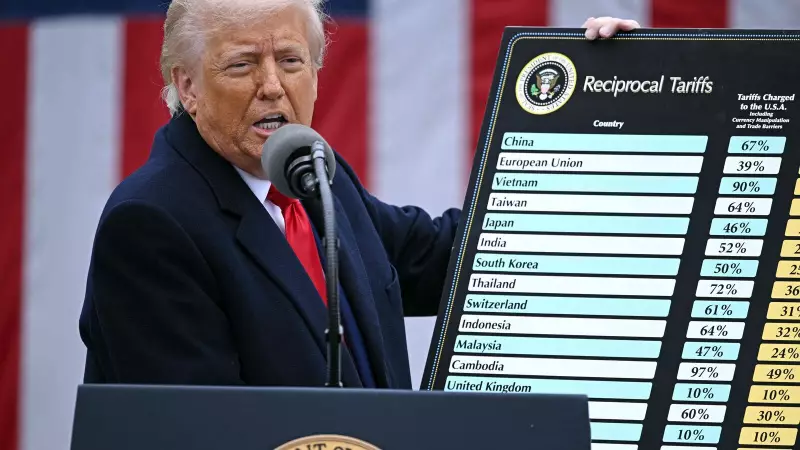
The spectre of aggressive protectionism is haunting global markets once again as former President Donald Trump proposes sweeping tariff measures that could reshape international trade dynamics. With potential 60% duties on Chinese imports, the world braces for economic repercussions that could extend far beyond American borders.
The Return of Trade Warfare
Trump's tariff blueprint represents one of the most significant protectionist agendas in modern history. The proposed blanket 60% levy on Chinese goods marks a dramatic escalation from his previous administration's trade policies, signaling a fundamental shift in America's approach to global commerce.
Global Domino Effect
Economists warn that such aggressive tariff measures could trigger a chain reaction across international markets:

- Supply chain disruptions affecting manufacturing hubs worldwide
- Inflationary pressures in consumer markets across continents
- Retaliatory measures from trading partners beyond China
- Currency volatility as markets adjust to new trade realities
WTO's Existential Challenge
The World Trade Organization faces its most significant test yet. Trump's proposed tariffs would directly challenge the multilateral trading system that the WTO has championed for decades. This confrontation could determine whether global trade rules still hold relevance in an era of rising economic nationalism.
Beyond US-China Relations
While the immediate focus remains on Sino-American trade relations, the ripple effects would touch every corner of the global economy:
- European markets would face collateral damage from disrupted supply chains
- Emerging economies dependent on Chinese manufacturing would need rapid adaptation
- Commodity markets would experience significant price fluctuations
- Technology sectors globally would confront new barriers to innovation
The Future of Free Trade
As the world watches Trump's protectionist agenda unfold, fundamental questions emerge about the future of globalization. Will other nations follow America's lead toward economic nationalism? Can the international community develop new frameworks for cooperation? The answers to these questions will shape global commerce for generations to come.
The coming months will prove crucial as markets, governments, and international organizations prepare for what could be the most significant transformation in global trade since the establishment of the WTO itself.