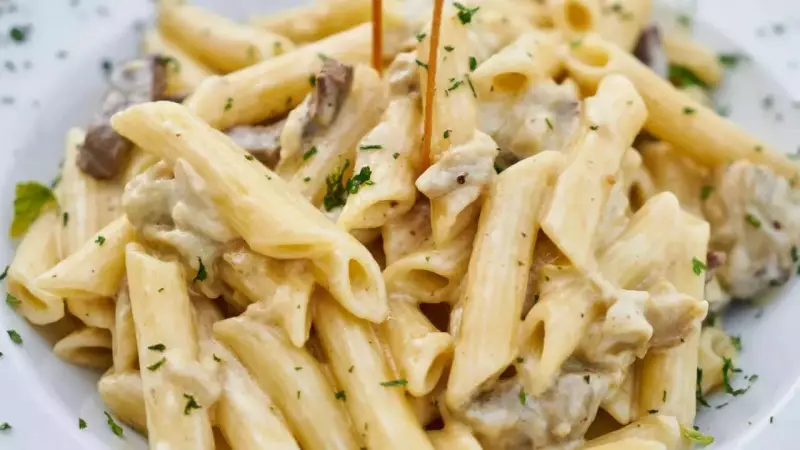
In a significant move for global food trade, the United States Commerce Department is poised to substantially lower the steep tariffs it had planned to impose on pasta imported from Italy. This decision comes as a major relief to Italian exporters who were facing one of the highest proposed tariff burdens among European food products entering the lucrative American market.
From 107% to Under 30%: The Revised Tariff Plan
The initial proposal earlier this year was severe. While most goods from the European Union already face duties of at least 15%, Italian pasta exports were singled out for an additional 92% levy. This would have taken the total effective tariff rate to a staggering 107%, potentially pricing many beloved Italian pasta brands out of the US market.
Under the revised proposal, the duties are now expected to be significantly reduced, falling within a range of 24% to 29%. The Commerce Department has stated that the final tariff rates will be officially announced on March 12. This follows a detailed review process outlined in a post-preliminary report released recently.

The Investigation and Italian Cooperation
The entire case stems from an anti-dumping complaint filed in July by two US-based food companies: 8th Avenue Food & Provisions and Winland Foods. They accused several Italian exporters of selling pasta in the United States at unfairly low prices, a practice known as dumping, which can harm domestic producers.
The Commerce Department launched an investigation focusing on 13 specific Italian pasta manufacturers. Preliminary findings in September indicated that two firms, La Molisana and Pastificio Lucio Garofalo, had sold pasta in the US "at less than normal value." The report at the time also described these companies as "uncooperative," noting the information they provided was "incomplete and unreliable." Notably, these two producers were identified as holding the largest share of Italian pasta exports to the US.
The substantial reduction in the proposed tariffs is directly linked to improved engagement from the Italian side. A Commerce Department official explained that the change followed an "evaluation of additional comments received after the preliminary determination." The official added, "Italian pasta makers have addressed many of commerce’s concerns... and this reflects commerce’s commitment to a fair, transparent process."
International Reactions and Next Steps
Italy's Ministry of Foreign Affairs has welcomed this latest development, viewing it as a positive outcome of diplomatic and corporate engagement. The ministry stated that the revised tariff outlook reflects improved cooperation and is "a sign of the recognition by US authorities of our companies’ willingness to cooperate."
As the world watches, the final announcement on March 12 will bring clarity to a situation that has been closely monitored by the global food industry and trade analysts. The move to lower the tariffs is seen as a step towards de-escalating a potential trade dispute and ensuring American consumers continue to have access to a wide variety of Italian pasta, albeit at prices that now include a more manageable import duty.