In a significant development for bilateral trade, Indonesia and the United States have successfully concluded negotiations on a new tariff agreement, resolving all outstanding technical details. The pact, which follows Washington's earlier decision to slash tariffs on Indonesian goods, is now poised for formal signing by the two nations' leaders in the coming weeks.
Key Details of the Agreement
The breakthrough was announced by Indonesia's Coordinating Minister for Economic Affairs, Airlangga Hartarto, following a crucial meeting with United States Trade Representative Jamieson Greer in Washington on Monday. Hartarto confirmed that all substantive issues within the Agreement on Reciprocal Tariff (ART) document have been mutually agreed upon by both parties.
Negotiations primarily centred on achieving a fair "balance" in market access between the two economies. A major win for Jakarta is the US agreement to exempt several of Indonesia's crucial export commodities, including palm oil, coffee, and tea, from the revised tariff framework. This exemption safeguards vital revenue streams for the Southeast Asian nation.

US Interest in Critical Minerals and Trade Deficit
On the other side, the United States expressed strong interest in gaining greater access to Indonesia's reserves of critical minerals, which are essential for modern technology and green energy solutions. Hartarto noted that "the US is very much hopes to gain access to (Indonesia's) critical minerals," highlighting a key American strategic objective in the deal.
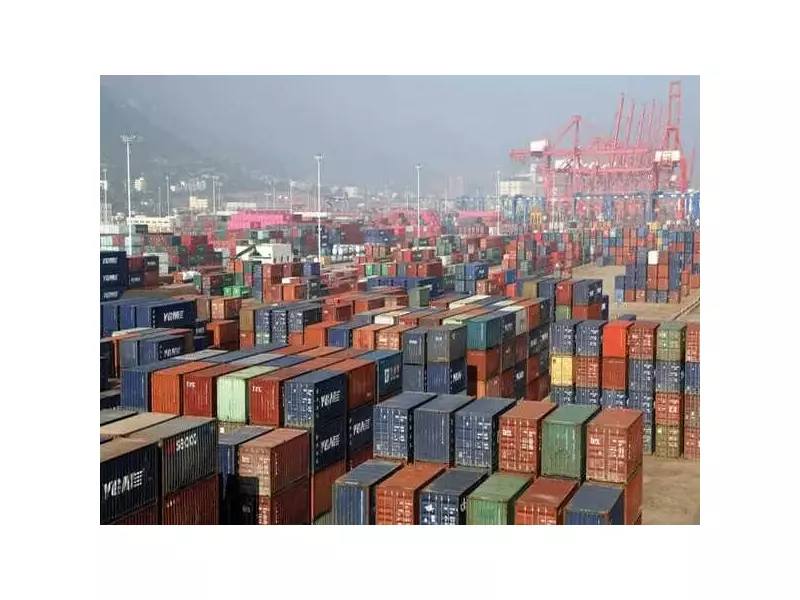
The agreement builds upon a framework announced in July, when the US decided to lower its tariff rates on Indonesian imports from 32% to 19%. As part of this broader understanding, Indonesia has committed to significantly boosting its imports from the United States, with planned multi-billion dollar expenditures in sectors like energy, agriculture, and aircraft.
Official trade data underscores the context: The US Trade Representative's office recorded a goods trade deficit of $17.9 billion with Indonesia in 2024, a figure that marks a 5.4% increase from the previous year.
Next Steps and Presidential Signing
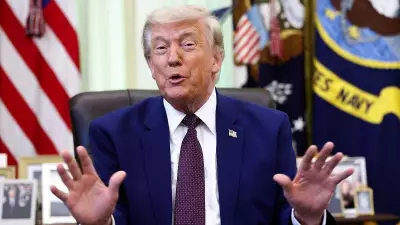
Officials from both sides are scheduled to reconvene next month to finalise the legal aspects of the agreement. The landmark deal is then expected to be formally signed by Indonesian President Prabowo Subianto and US President Donald Trump before February.
This finalised tariff pact represents a concrete step in managing the complex trade relationship between the two countries, offering clearer rules and potentially boosting two-way commerce in the years ahead.