The Trump administration is reportedly considering a significant expansion of its tariff policy, potentially adding hundreds of new steel-linked products to the list of goods facing import levies. This move comes directly from requests filed by American companies of all sizes.
Which Products Face New Tariffs?
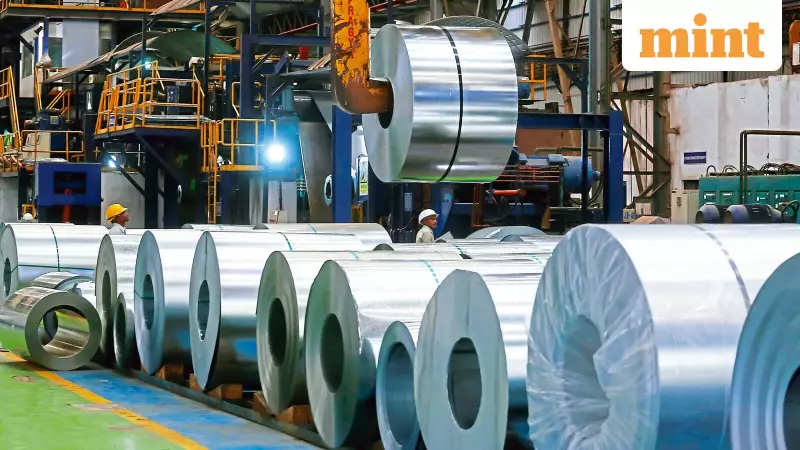
According to a report from The Guardian, the list of items that could see new tariffs has grown substantially. Goods ranging from bicycles to baking trays are under consideration for inclusion. If approved, this would add 700 new items to the existing list of 407 steel-linked products already subject to extra tariffs.
Several prominent US firms have formally approached the US Department of Commerce, asking for their items to be added to a list that was first expanded in August. Among the companies that have submitted requests are Guardian Bikes based in Indiana, the tomato-canning giant Red Gold, and several manufacturers producing steel wheels for trucks.

Why Are American Companies Requesting Tariffs?
The pleas from these companies reveal the intense pressure on domestic industries. In a direct appeal to the commerce secretary, Guardian Bikes argued that the American bicycle industry was being decimated, with a staggering 11 million bicycles imported in 2024 alone.
Meanwhile, Red Gold presented its own financial burden, complaining that it was currently facing a 25% tariff on tinplate steel imported from the UK and a hefty 50% tariff on steel sourced from other countries for its own can production.
The Wider Trade War Context
This potential tariff expansion follows the administration's August decision to widen the reach of its existing 50% tariffs on steel and aluminum imports. At that time, hundreds of derivative products were added to the list. A government notice clarified that even non-steel and non-aluminum content in products would be subject to the tariff rates imposed on goods from specific countries by President Donald Trump.
The ongoing trade tensions have had a measurable impact. Recent data shows that China's exports to the United States saw a dramatic 25% drop in shipments. Although Presidents Trump and Xi Jinping agreed recently to de-escalate the trade war, friction continues to affect global demand. China's global exports fell by 1.1% in October compared to a year earlier, marking the weakest performance since February.
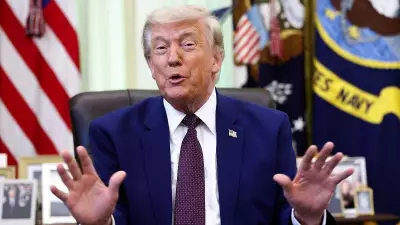
When questioned on whether American consumers were ultimately bearing the cost of these tariffs, President Trump offered a different perspective. He stated, “No, I don't agree. I think that they might be paying something. But when you take the overall impact, the Americans are gaining tremendously.”