Widespread Flight Cancellations Hit Indian Airports Amid Middle East Airspace Curbs
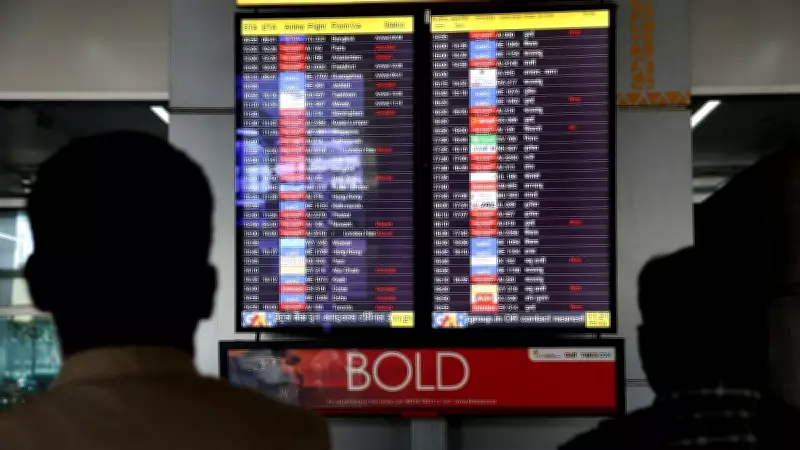
In a significant disruption to air travel, airlines operating in India were forced to cancel a total of 180 flight services on Wednesday, March 4, 2026. This large-scale cancellation was directly attributed to airspace restrictions imposed in the Middle East region, creating operational challenges for carriers and inconvenience for thousands of passengers.
Mumbai Airport Bears the Brunt of Cancellations
The impact was most acutely felt at Mumbai Airport, which recorded the highest number of cancellations. According to reports, a staggering 93 flights were cancelled at this major aviation hub. This breakdown included:
- 48 departure flights that were scheduled to take off from Mumbai.
- 45 arrival flights that were expected to land at the airport.
The cancellations at Mumbai Airport alone accounted for more than half of the total disruptions across the country, highlighting its vulnerability to international airspace issues.

Delhi Airport Also Faces Substantial Disruptions
India's capital was not spared from the travel chaos. Delhi Airport witnessed the cancellation of 52 flight services on the same day. The cancellations at Delhi were distributed as follows:
- 25 departure flights were cancelled, affecting outbound travel plans.
- 27 arrival flights were also called off, disrupting inbound passenger traffic.
This brought the combined total of flight cancellations at Mumbai and Delhi airports to 145, representing a major portion of the nationwide total of 180 cancelled services.
Root Cause: Middle East Airspace Restrictions
The primary driver behind this widespread aviation disruption was the implementation of airspace curbs in the Middle East. While the specific details of the restrictions were not elaborated in the initial report, such measures typically involve:
- Closure of certain flight corridors for security or diplomatic reasons.
- Heightened air traffic control protocols that reduce capacity.
- Rerouting requirements that make some flights economically or logistically unviable.
These restrictions forced airlines to preemptively cancel flights to avoid operational uncertainties and ensure passenger safety, leading to the significant tally of 180 cancelled services across India.
Broader Implications for Aviation and Passengers
The incident underscores the interconnected nature of global aviation, where geopolitical developments in one region can have immediate ripple effects thousands of miles away. Passengers booked on the affected flights faced:
- Last-minute itinerary changes and potential financial losses.
- Difficulties in securing alternative travel arrangements.
- Uncertainty regarding refunds and compensation from airlines.
Airlines, on their part, had to manage logistical headaches, including rebooking passengers, adjusting crew schedules, and dealing with the financial impact of grounded aircraft. The cancellations at Mumbai and Delhi airports, key international gateways, also likely affected connecting travel across India and beyond.
As of the latest update on March 4, 2026, at 17:08 IST, the situation remained fluid, with authorities and airlines working to mitigate the disruption and restore normal flight operations as soon as the Middle East airspace restrictions are lifted or eased.