

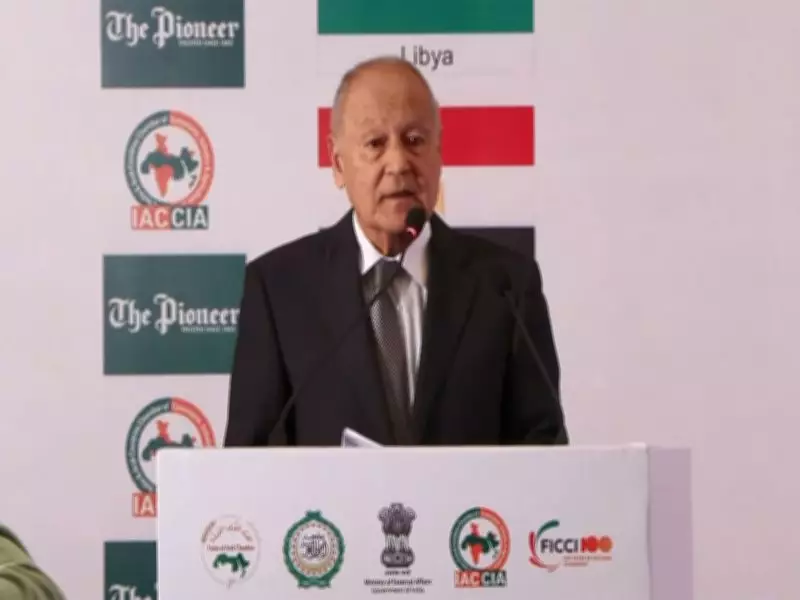
Arab League Chief Issues Dire Warning on Potential Iran Conflict
The Secretary-General of the Arab League, Ahmed Aboul Gheit, has delivered a sobering message to the international community, cautioning that a war with Iran would constitute a monumental disaster for world peace. In a statement that underscores the fragile geopolitical landscape of the Middle East, Aboul Gheit emphasized the far-reaching implications such a conflict could unleash.
Grave Consequences for Global Stability
Aboul Gheit articulated that any military escalation involving Iran would not be confined to regional boundaries but would inevitably ripple across the globe, threatening international security and economic stability. He highlighted how such a war could disrupt vital maritime routes, trigger humanitarian crises, and exacerbate existing tensions in an already volatile region.
The Arab League chief stressed that the repercussions would be felt worldwide, potentially destabilizing energy markets and straining diplomatic relations among major powers. His warning comes amid ongoing concerns over Iran's nuclear program and its involvement in various regional conflicts, which have kept the possibility of confrontation on the geopolitical radar.

Call for Diplomatic Engagement
In his remarks, Aboul Gheit advocated for a renewed commitment to dialogue and diplomatic channels as the only viable path to de-escalation. He urged all parties to prioritize peaceful resolutions over military actions, pointing to the catastrophic human and economic costs that wars in the Middle East have historically incurred.
"The lessons from past conflicts in our region are clear," he noted, "and we must avoid repeating mistakes that could plunge the world into further chaos." This appeal aligns with broader international efforts to manage tensions through multilateral forums and negotiations.
Regional and International Implications
The warning from the Arab League chief resonates deeply within the context of:
- Ongoing proxy wars in countries like Yemen and Syria, where Iranian influence is a contentious issue.
- Nuclear negotiations that have seen periods of stalemate and progress, with global powers seeking to curb Iran's capabilities.
- Security alliances in the Gulf region, where Arab states have expressed concerns over Iranian activities.
Aboul Gheit's statement serves as a reminder of the interconnected nature of modern conflicts, where a spark in one area can ignite broader conflagrations. It underscores the urgent need for cohesive international strategies to address root causes of tension without resorting to warfare.
As the world grapples with multiple crises, from economic uncertainties to climate change, the Arab League's cautionary note adds weight to calls for restraint and diplomacy in handling one of the most sensitive geopolitical flashpoints today.






