

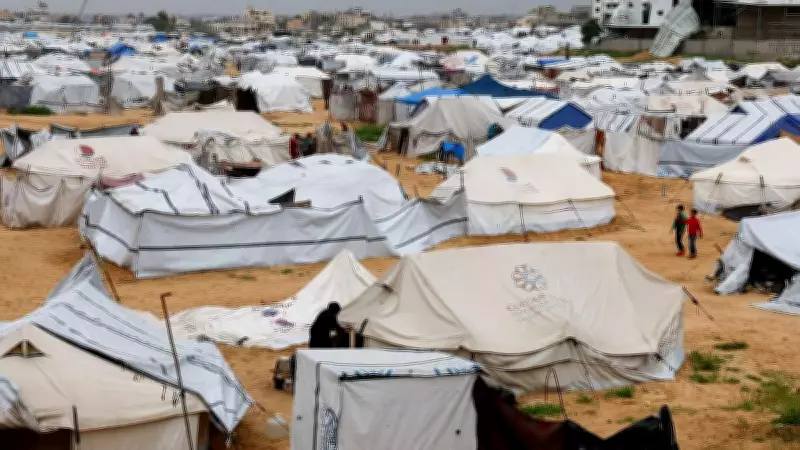
The Brutal Architecture of Cruelty in Palestine: A Critical Analysis
The situation in Palestine represents a stark example of systemic oppression and human suffering, often described as a brutal architecture of cruelty. This framework is not merely a metaphor but a tangible reality shaped by political, social, and economic forces that perpetuate hardship for the Palestinian people. The ongoing conflict and occupation have created conditions where daily life is marked by restrictions, violence, and a profound lack of freedom.
Historical Context and Political Dynamics
The roots of this cruelty trace back to decades of geopolitical strife, including the establishment of Israel and the subsequent displacement of Palestinians. Over the years, policies such as settlements, checkpoints, and blockades have been implemented, forming a complex web of control. These measures are often justified under security pretexts but result in severe limitations on movement, access to resources, and basic human rights for Palestinians.
Key elements of this architecture include:

- Military occupation and its enforcement through surveillance and force.
- Economic sanctions and restrictions that stifle development and livelihoods.
- Legal frameworks that discriminate against Palestinians, denying them equal rights.
Social and Humanitarian Impacts
The consequences of this system are devastating, affecting every aspect of Palestinian society. Families are separated by barriers, children grow up in an environment of fear and instability, and communities struggle with poverty and inadequate healthcare. Reports from international organizations highlight widespread human rights abuses, including arbitrary detentions, home demolitions, and violence against civilians.
This cruelty is not accidental but engineered through deliberate policies that aim to exert dominance and control. The psychological toll is immense, with trauma and despair becoming common experiences among Palestinians. Despite global awareness, efforts to address these issues often face political obstacles, leaving many feeling abandoned by the international community.
Global Responses and Future Prospects
International reactions to the situation in Palestine have been mixed, with some nations advocating for Palestinian rights while others support Israeli policies. Diplomatic initiatives, such as peace talks and United Nations resolutions, have yielded limited progress, often stymied by geopolitical interests and power imbalances. Human rights groups continue to document abuses and call for accountability, but enforcement remains weak.
Looking ahead, the path to change requires a multifaceted approach. This includes:
- Strengthening international pressure to uphold human rights and end oppression.
- Promoting dialogue and reconciliation between conflicting parties.
- Supporting grassroots movements and civil society efforts within Palestine.
Ultimately, dismantling the brutal architecture of cruelty in Palestine demands a commitment to justice, equality, and peace. It is a challenge that tests the moral conscience of the world, urging action to alleviate suffering and build a more humane future for all involved.






