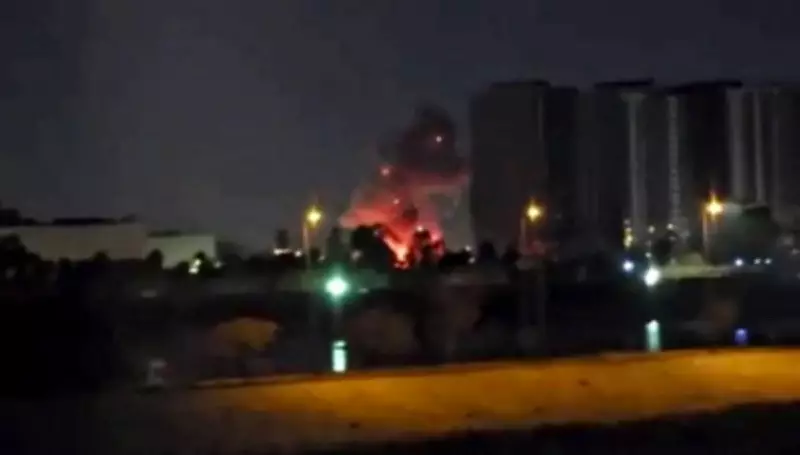
Drones and Rockets Target US Embassy in Baghdad Amid Regional Tensions
In a significant security incident, the US Embassy in Baghdad, Iraq, came under attack as multiple drones and rockets were fired at the compound. The assault, which occurred recently, resulted in minor damage to the embassy's infrastructure but, fortunately, no casualties were reported among embassy staff or security personnel. This event underscores the volatile security environment in the region and raises concerns about escalating tensions.
Details of the Attack
According to reports, the attack involved a combination of unmanned aerial vehicles (drones) and rocket-propelled grenades, targeting the heavily fortified embassy complex in the Green Zone of Baghdad. Security forces responded swiftly, activating defense systems to intercept some of the projectiles. However, a few managed to breach the perimeter, causing localized damage to buildings and facilities within the embassy grounds. The exact number of drones and rockets used in the assault has not been officially disclosed, but initial assessments suggest it was a coordinated effort.
Response and Investigation
Following the attack, US officials condemned the incident as a blatant act of aggression and vowed to conduct a thorough investigation to identify the perpetrators. Iraqi authorities have also launched their own probe, with preliminary findings indicating that the attack originated from areas outside Baghdad, possibly linked to militant groups operating in the region. Security measures around the embassy have been heightened, with additional patrols and surveillance deployed to prevent future incidents.

Key points from the response include:
- No casualties were reported, emphasizing the effectiveness of the embassy's security protocols.
- Minor structural damage was sustained, but essential operations at the embassy remain uninterrupted.
- Investigations are ongoing, with both US and Iraqi agencies collaborating to gather intelligence.
Regional Implications
This attack occurs against a backdrop of heightened tensions in the Middle East, where geopolitical rivalries and conflicts have been simmering. The US Embassy in Baghdad has been a frequent target in the past, reflecting broader anti-American sentiments among certain factions in Iraq. Analysts warn that such incidents could exacerbate instability in the region, potentially leading to retaliatory actions or further diplomatic strains.
Experts note that drone and rocket attacks have become increasingly common in conflict zones, posing new challenges for security forces tasked with protecting diplomatic missions. The use of such technology highlights the evolving nature of threats in modern warfare and underscores the need for advanced defense systems.
Historical Context and Future Outlook
This is not the first time the US Embassy in Baghdad has been targeted; similar attacks have occurred in recent years, often linked to tensions between the US and Iran or local militant groups. The embassy, located in a high-security zone, has implemented robust measures over time, but this latest incident suggests that threats persist. Looking ahead, authorities are likely to reassess security strategies, potentially increasing cooperation with Iraqi forces to mitigate risks.
In summary, the drone and rocket attack on the US Embassy in Baghdad serves as a stark reminder of the ongoing volatility in the Middle East. While no lives were lost, the incident has prompted renewed focus on diplomatic security and regional stability, with implications for international relations in the area.