

Dubai Airport Shut, Burj Khalifa Evacuated as Iran Retaliates After US-Israel Strikes
In a dramatic escalation of regional tensions, Dubai International Airport was temporarily shut down, and the iconic Burj Khalifa was evacuated on February 28, 2026, following retaliatory actions by Iran in response to recent strikes by the United States and Israel. The incidents have caused significant disruptions in the United Arab Emirates (UAE), highlighting the volatile security situation in the Middle East.
Airport Closure and Evacuation Details
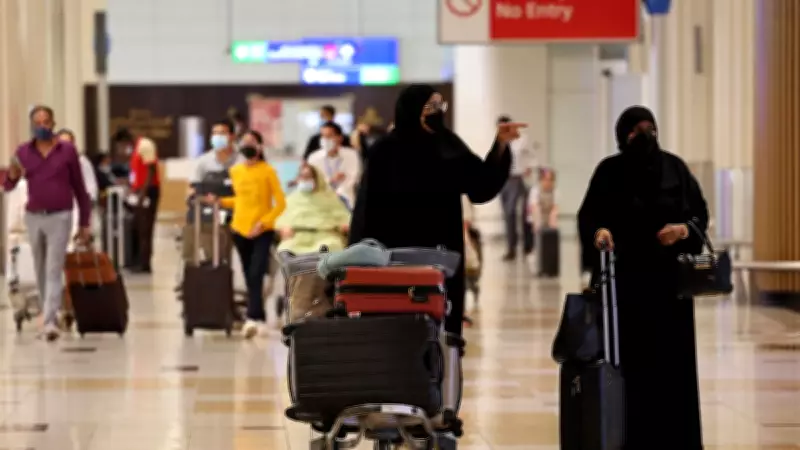
Dubai International Airport, one of the world's busiest aviation hubs, was forced to close its operations for several hours due to security concerns. Authorities implemented emergency protocols, grounding all flights and diverting incoming aircraft to alternative airports. The closure led to widespread travel chaos, with thousands of passengers stranded and flight schedules thrown into disarray.
Simultaneously, the Burj Khalifa, the tallest building globally and a major tourist attraction in Dubai, was evacuated as a precautionary measure. Security personnel swiftly cleared the skyscraper, including its observation decks, offices, and residential areas, to ensure public safety. The evacuation caused panic among visitors and residents, with many reporting confusion and delays as they were directed to safe zones.

Background: Iran's Retaliation
The disruptions stem from Iran's retaliation against what it described as "aggressive strikes" by the United States and Israel in the preceding days. According to Iranian officials, these strikes targeted Iranian assets and interests in the region, prompting a swift response. While specific details of Iran's actions were not immediately disclosed, the UAE government confirmed that the measures were linked to heightened security threats, leading to the precautionary shutdowns in Dubai.
This incident underscores the ongoing geopolitical friction in the Middle East, with Iran often at odds with US and Israeli policies. The retaliation has raised concerns about further escalations and their impact on regional stability, particularly in key economic hubs like Dubai.
Impact on UAE and Regional Security
The temporary closure of Dubai Airport and evacuation of the Burj Khalifa have had immediate economic and social repercussions:
- Travel Disruptions: Flight cancellations and delays affected both domestic and international travel, with airlines scrambling to adjust schedules.
- Tourism Impact: The evacuation of the Burj Khalifa disrupted tourism activities, potentially leading to financial losses for businesses reliant on visitor traffic.
- Security Measures: UAE authorities have heightened security across the country, deploying additional forces and implementing surveillance to prevent further incidents.
Experts warn that such events could deter investment and tourism in the UAE if tensions persist. The UAE, known for its stability and economic prosperity, now faces challenges in managing security risks amid regional conflicts.
Global Reactions and Future Outlook
International observers have expressed concern over the escalation, calling for diplomatic efforts to de-escalate tensions. The United Nations and other global bodies are monitoring the situation closely, urging restraint from all parties involved.
Looking ahead, the UAE government is expected to review its security protocols and enhance coordination with international partners to mitigate risks. The incident serves as a stark reminder of the interconnectedness of global security and the need for robust crisis management in volatile regions.
As of now, Dubai Airport has resumed operations, and the Burj Khalifa has reopened, but authorities remain on high alert. The events of February 28, 2026, mark a significant moment in the ongoing geopolitical landscape, with potential long-term implications for the Middle East.






