

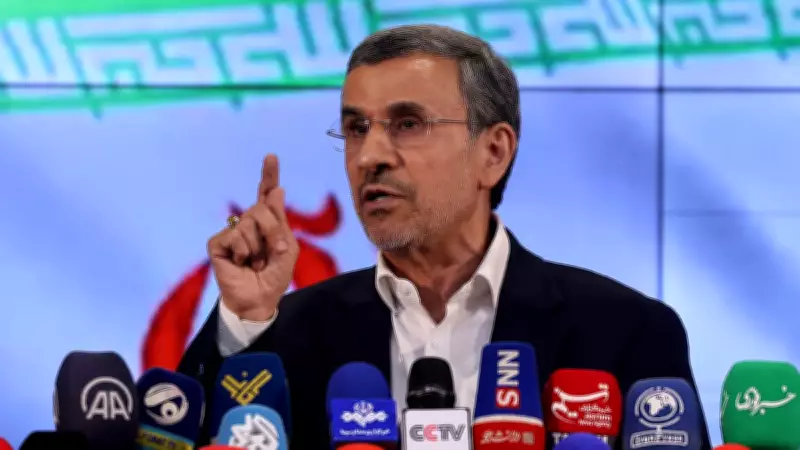
Former Iranian President Mahmoud Ahmadinejad Reportedly Killed in Israeli Airstrike
In a dramatic development that has sent shockwaves across the Middle East, former Iranian President Mahmoud Ahmadinejad has been reported killed in an Israeli airstrike. Multiple sources have confirmed the incident, which occurred amidst escalating regional tensions and ongoing conflicts in the area.
Details of the Airstrike Incident
The airstrike, allegedly carried out by Israeli forces, targeted a location where Mahmoud Ahmadinejad was present. Reports indicate that the attack was precise and resulted in his immediate death. This event marks a significant and potentially explosive turn in the already volatile relations between Israel and Iran.
Mahmoud Ahmadinejad, who served as the President of Iran from 2005 to 2013, was a prominent and controversial figure known for his hardline stance against Israel and the West. His presidency was characterized by nuclear ambitions and inflammatory rhetoric, making him a central player in Middle Eastern politics.

Regional and Global Implications
The killing of such a high-profile former leader is expected to have profound implications for regional stability. Iran has long been a key adversary of Israel, and this incident could trigger retaliatory actions, further heightening the risk of a broader conflict.
International observers are closely monitoring the situation, as the death of Ahmadinejad may influence diplomatic efforts and military strategies in the region. The United Nations and other global bodies are likely to issue statements urging restraint to prevent an all-out war.
Background on Mahmoud Ahmadinejad
During his tenure, Ahmadinejad was infamous for his denial of the Holocaust and his aggressive pursuit of Iran's nuclear program. His policies and statements often drew condemnation from the international community, while bolstering his support among hardline factions within Iran.
- He was a staunch critic of Israeli policies and frequently called for the destruction of the state of Israel.
- His presidency saw increased tensions with Western nations over Iran's nuclear activities.
- After leaving office, he remained an influential figure in Iranian politics, though he faced some marginalization by the current regime.
Current Context and Future Outlook
This airstrike comes at a time of heightened military activities and proxy wars in the Middle East. Israel has previously conducted strikes against Iranian targets in Syria and other locations, but targeting a former head of state represents a major escalation.
The Iranian government has not yet issued an official statement regarding the reports, but reactions are anticipated to be swift and severe. Analysts warn that this event could derail any ongoing peace negotiations and lead to increased violence across the region.
As the world awaits further confirmation and details, the potential for retaliatory measures by Iran or its allies remains a critical concern. The international community is bracing for possible consequences that could reshape the geopolitical landscape of the Middle East.






