

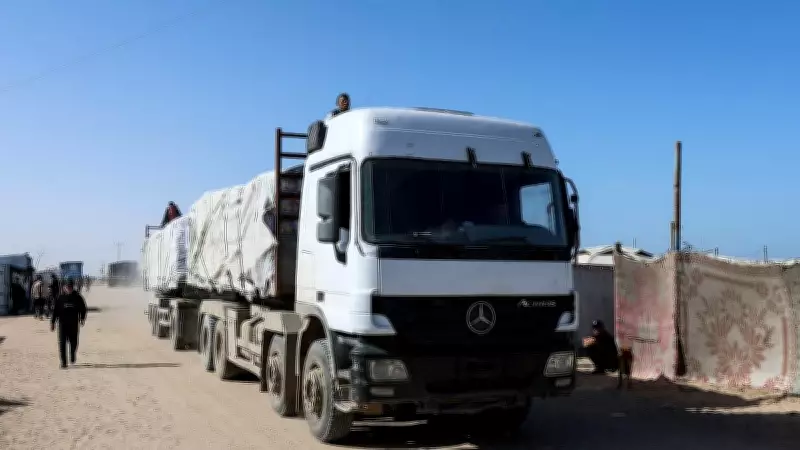
The long-awaited reopening of the Gaza border with Egypt has sparked a wave of cautious optimism among stranded Palestinians, who have endured prolonged isolation due to the closure. For many, even a partial resumption of crossings represents a significant step forward, offering a glimmer of hope after years of restricted movement and economic hardship.
Uncertain Conditions and Israeli Control
However, the full details of how and when crossings will resume remain shrouded in uncertainty. Israel continues to maintain complete control over Gaza's frontier, a factor that complicates any efforts to establish stable and open transit routes. The conditions under which travel will be permitted—such as security checks, documentation requirements, and frequency of crossings—are still unclear, leaving many questions unanswered for those eager to reunite with families or seek medical treatment abroad.
Impact on Daily Lives and Regional Dynamics
The border closure has had a profound impact on the daily lives of Palestinians in Gaza, limiting access to essential goods, healthcare, and educational opportunities. A reopening, even if partial, could alleviate some of these pressures, but it also highlights the ongoing geopolitical tensions in the region. The situation underscores the delicate balance between humanitarian needs and security concerns, with international observers closely monitoring developments.

As discussions continue, the focus remains on ensuring that any reopening is sustainable and benefits the most vulnerable populations. For now, the anticipation among stranded individuals serves as a poignant reminder of the broader struggles faced in conflict-affected areas.






