

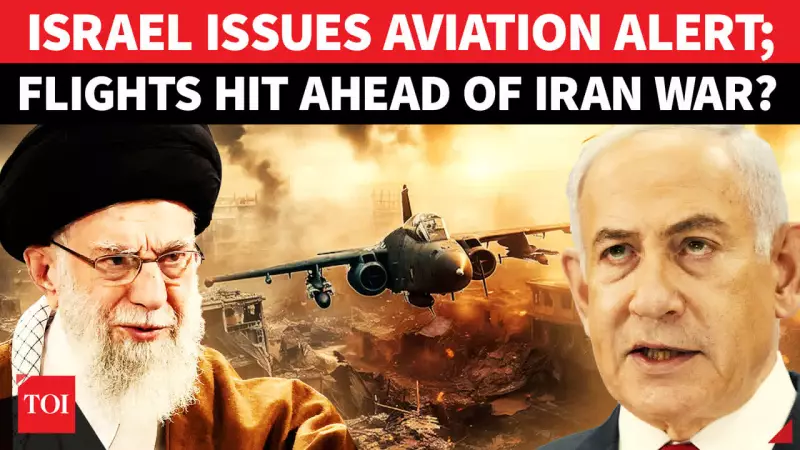
Global Aviation in Crisis as Israel-Iran Tensions Escalate
In a dramatic development that has sent shockwaves through the international aviation sector, airlines across Europe, North America, and the Middle East are cancelling flights en masse. This unprecedented move comes as Israel issues a stark warning that the region may be entering a more sensitive and volatile period amid rapidly rising tensions with Iran. The situation has triggered a cascade of operational halts and restrictions, creating a global travel nightmare for passengers and airlines alike.
Aviation Authorities Sound the Alarm
Israel's civil aviation authority has taken a proactive stance by alerting foreign carriers to the possibility of sudden and unannounced airspace closures. This alert has prompted a swift response from the global aviation community, with many airlines opting to preemptively cancel or reroute flights to avoid potential hazards. Concurrently, Iran has escalated the crisis by suspending most of its civilian aviation operations for an extended period of three months, further complicating air travel in the region.
Major Airlines Ground Operations
The impact is being felt acutely by some of the world's largest and most prominent airlines. Industry giants such as KLM, Lufthansa, and Air France have been forced to halt or severely restrict their operations in and around the affected areas. These cancellations are not limited to flights directly involving Israel or Iran; they extend to broader regional routes, with Gulf airspace being actively avoided due to safety concerns. The list of affected carriers is expected to grow as the situation develops, potentially disrupting thousands of flights worldwide.

Broader Geopolitical Context
This aviation shutdown is unfolding against a backdrop of heightened military activity and escalating geopolitical fears. The United States has deployed a significant naval armada to the region, a move that analysts interpret as a show of force amid the growing tensions. Fears of a regional war are intensifying, with diplomatic channels under strain and the potential for miscalculation looming large. The aviation disruptions serve as a tangible indicator of the severe risks perceived by international stakeholders, reflecting a broader climate of uncertainty and preparedness for worst-case scenarios.
Implications for Travel and Safety
For travelers, the consequences are immediate and far-reaching. Passengers are facing:
- Widespread flight cancellations and delays
- Uncertainty regarding rerouting and alternative travel options
- Potential safety risks in a volatile airspace environment
Airlines, on their part, are grappling with logistical nightmares, financial losses, and the challenge of ensuring passenger safety while navigating an unpredictable geopolitical landscape. The situation underscores the fragile interplay between international politics and global transportation networks, where tensions on the ground can swiftly translate into chaos in the skies.
As the world watches closely, the aviation industry remains on high alert, with further developments likely to dictate the pace and scale of ongoing disruptions. The coming days will be critical in determining whether diplomatic efforts can de-escalate the situation or if the region is indeed headed toward a more protracted period of instability and travel upheaval.






