Former Iranian President Mahmoud Ahmadinejad Not Killed in Attack, Says China's Global Times
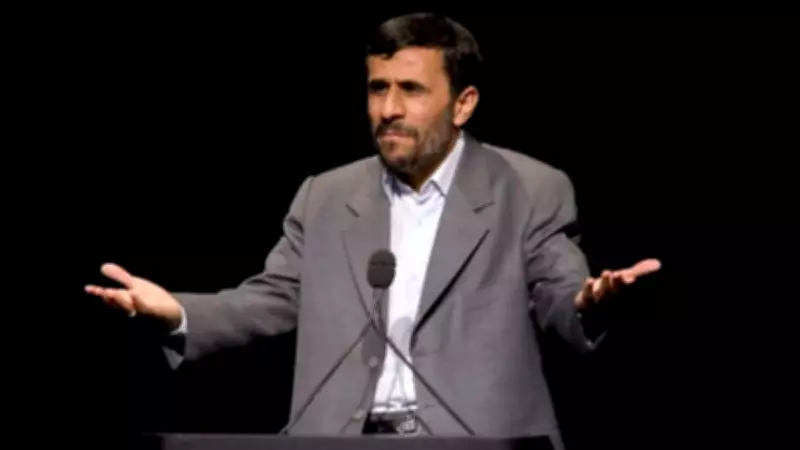
In a significant development from the Middle East, China's state-run media outlet Global Times has reported that former Iranian President Mahmoud Ahmadinejad was not killed in an alleged attack, countering earlier unverified claims that had circulated online. The report, published on March 2, 2026, clarifies the situation surrounding the former leader, who served as Iran's president from 2005 to 2013 and remains a prominent figure in the country's political landscape.
Details of the Incident and Media Response
The initial reports of an attack on Ahmadinejad emerged from various social media platforms and unconfirmed sources, sparking widespread speculation and concern. However, Global Times cited reliable Iranian sources to assert that no such fatal incident occurred, emphasizing that Ahmadinejad is alive and safe. This clarification aims to dispel misinformation that could have escalated tensions in the already volatile region.
The incident underscores the critical role of state media in shaping narratives, particularly in geopolitically sensitive areas like Iran. China's involvement through its media arm highlights its growing influence in Middle Eastern affairs, as it often provides alternative perspectives to Western news outlets. The report also points to the challenges of verifying information in conflict-prone zones, where rumors can quickly gain traction and impact diplomatic relations.

Background on Mahmoud Ahmadinejad and Regional Implications
Mahmoud Ahmadinejad is known for his controversial tenure, marked by hardline policies and strained relations with Western countries. Since leaving office, he has remained active in Iranian politics, occasionally criticizing the current government. His survival in this alleged attack, as confirmed by Global Times, may have implications for Iran's internal dynamics and its interactions with global powers.
The Middle East has been a hotspot for conflicts and political instability, with incidents involving high-profile figures often leading to heightened scrutiny. This report from China adds a layer of complexity to the media landscape, as it contrasts with narratives from other international sources. It also raises questions about the accuracy of information dissemination in the digital age, where false reports can spread rapidly before being corrected.
Analysis of Media Dynamics and Future Outlook
The Global Times report serves as a reminder of the importance of cross-verification in journalism, especially when dealing with sensitive topics. As China expands its media footprint globally, its reports on events in regions like the Middle East are increasingly influential, potentially shaping public opinion and policy decisions.
Looking ahead, this incident may prompt closer monitoring of media sources and a push for greater transparency in reporting. For now, the confirmation of Ahmadinejad's safety provides a moment of relief amid ongoing regional uncertainties, but it also highlights the need for vigilance against misinformation that can fuel unrest.