

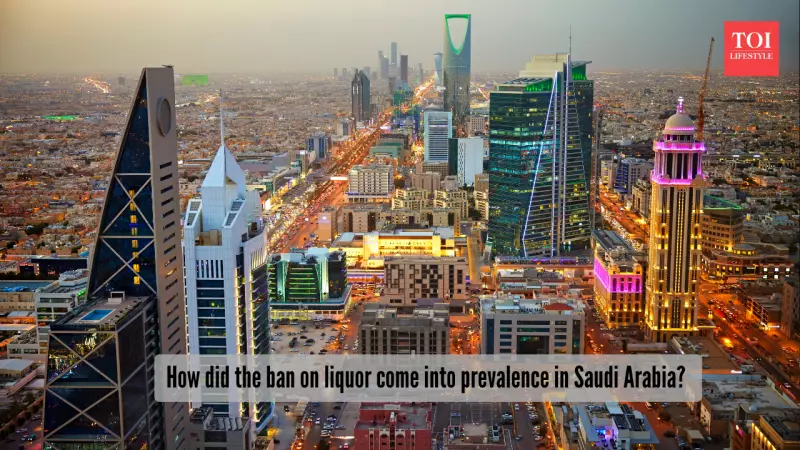
Saudi Arabia's reputation for enforcing one of the world's strictest bans on alcohol is a well-known facet of its global identity. This prohibition has been firmly in place for over seventy years, standing as a powerful symbol of the kingdom's legal and cultural norms. Even as the nation undergoes a transformative modernisation drive under its ambitious Vision 2030 plan, which includes creating limited, highly regulated access for non-Muslim diplomats and tourists ahead of mega-events like Expo 2030 and the 2034 FIFA World Cup, the fundamental ban for its citizens remains unshaken. But the origins of this total prohibition are rooted not just in religion, but in a single, violent night in 1951 that threatened royal stability and international relations.
The Fatal Night at the British Vice-Consul's Home
The chain of events that led to the nationwide ban began at a social gathering in Jeddah. The host was British Vice-Consul Cyril Ousman, who was known for entertaining guests, including members of the Saudi elite. Among his visitors on that fateful evening was 19-year-old Prince Mishari bin Abdulaziz, a member of the royal family.
Historical diplomatic records, including a report by the Associated Press, detail that the young prince consumed a significant amount of alcohol. In an inebriated state, he made unwelcome advances towards a female English guest. Vice-Consul Ousman intervened, cutting off the prince's supply of liquor and asking him to leave the premises. Humiliated, Prince Mishari stormed out.

The situation escalated dramatically the next day. Still intoxicated and burning with rage, the prince returned to Ousman's residence. He demanded to see the woman again and asked for more alcohol. When Ousman refused him for a second time, Prince Mishari drew a pistol. In the ensuing confrontation, he shot and killed Cyril Ousman and also wounded the diplomat's wife.
A Kingdom Rocked and a King's Fury
The murder sent shockwaves through the very foundation of the Saudi kingdom. It sparked a major diplomatic crisis and caused profound embarrassment to the royal family. The incident laid bare a dangerous truth: alcohol, which had been quietly tolerated in certain expatriate and diplomatic circles, had the power to fuel catastrophic violence and jeopardise the nation's standing.
King Abdulaziz Al Saud, the nation's founder, was furious. He immediately ordered the arrest of Prince Mishari. In a move that underscored the gravity of the crime and his desire for justice, the king offered the widow, Mrs. Ousman, a stark choice. As noted in studies of the 1950s Arabian Peninsula, he declared that "Mishari's head would be displayed on a pike outside the British embassy" if she wished. Instead, she chose compensation, accepting a sum of $70,000.
King Abdulaziz partly blamed the infiltration of "foreign habits" like drinking among the elite for the tragedy. He commuted the prince's death sentence to life imprisonment, coupled with a punishment of twenty lashes administered monthly. More importantly, the king took decisive legislative action. In 1952, he issued a royal decree imposing a complete nationwide prohibition on the import, sale, and consumption of alcohol.
The Aftermath and Enduring Legacy
The enforcement was swift and comprehensive. By late 1952, common beverages like gin and beer disappeared from the market. Even workers for the powerful Arabian-American Oil Company (Aramco) saw their allowances strictly rationed to, as per an Al Jazeera report, just three bottles of whisky per month.
It is crucial to note that alcohol was not entirely absent from the region before 1952. Historical analyses on JSTOR point to references of wine in pre-Islamic poetry, particularly in urban centres and among Christian communities. After the advent of Islam, religious prohibitions influenced social life, but enforcement often varied. The early 20th century and the unification of the kingdom saw a policy of quiet tolerance in specific diplomatic and oil company enclaves.

For more than seven decades following the 1952 decree, the penalties for violating the alcohol ban were severe: lashings and imprisonment for Saudis, and deportation for foreigners. This harsh reality fueled a persistent black market, supplied by smuggling or clandestine home-brewing operations. Even in 2024, as reported by the BBC, authorities moved to close loopholes that allowed alcohol imports through diplomatic channels, demonstrating the ban's continued primacy amidst wider social reforms.
Today, the core law stands firm: alcohol remains illegal for Saudi citizens and Muslims. The new regulations for non-Muslims are framed as carefully controlled "economic exceptions" aligned with tourism goals, not a relaxation of the foundational ban born from a prince's crime in 1951—a night that forever changed the kingdom's relationship with liquor.





