

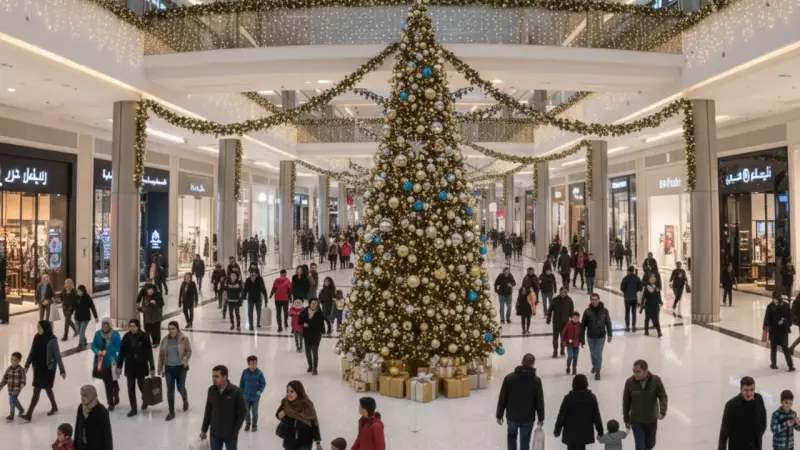
In a notable cultural shift, the celebration of Christmas in Saudi Arabia is undergoing a quiet but significant transformation. What was once a strictly private affair, confined within the walls of expatriate homes, is now finding subtle yet visible expression in public spaces across the Kingdom. This change reflects the broader societal opening driven by Crown Prince Mohammed bin Salman's ambitious Vision 2030 reform plan.
From Discreet Gatherings to Festive Malls
The contrast with the recent past is stark. Just a decade ago, in 2015, public displays of non-Islamic religious symbols were heavily restricted. For the Western expatriate community, Christmas was a low-key event celebrated in secrecy within private compounds or homes, carefully respecting local norms and sensitivities.
Today, the landscape looks different. Major cities like Riyadh and Jeddah now see shopping malls adorned with Christmas trees, fairy lights, and festive installations. Restaurants and cafes roll out special holiday menus. It is crucial to understand that these displays are commercial and cultural in nature, designed to create a seasonal atmosphere rather than promote religious observance. This public-facing festivity marks a clear evolution in the Kingdom's approach.

The Vision 2030 Factor and Legal Boundaries
This gradual shift is inextricably linked to Saudi Arabia's Vision 2030 initiative. A key pillar of this plan is fostering a more open, diverse, and vibrant society to boost tourism and improve quality of life. Large-scale entertainment festivals like the Riyadh Season now routinely incorporate themed areas with fake snow, decorative lights, and family-friendly entertainment that nods to the global Christmas season.
However, important legal and cultural boundaries remain. Christmas is not a public holiday in Saudi Arabia. The official holidays for 2025, as confirmed, are Founding Day (22 February), Eid al-Fitr, Eid al-Adha, and National Day (23 September). Most employees are expected to work on December 25th, though international companies may offer flexible leave to their staff.
Celebrating Christmas privately is fully legal and widely practiced. Expatriates continue to host parties in their homes. What stays restricted are overt public religious displays, such as crosses or nativity scenes. The new visibility is a cautious, commercially-driven embrace of the season's festive trappings, not its religious core.
Why Christmas is Gaining Visibility
Several converging factors explain this change. First, the strategic goals of Vision 2030 explicitly encourage cultural openness and international engagement. Second, the Kingdom hosts a massive expatriate population numbering in the millions, many of whom naturally celebrate Christmas. Accommodating their traditions, even in a limited public way, makes Saudi Arabia a more attractive destination for global talent.
Finally, economics play a major role. With the introduction of tourist visas and a push to attract international visitors, businesses see the Christmas period as a lucrative commercial opportunity. Festive decorations and promotions in malls and entertainment zones help attract both tourist dollars and resident spending on gifts, dining, and travel.
For residents and visitors wishing to partake, the rule of thumb is to distinguish between private and public spaces. Private home gatherings are the domain for any religious elements. Malls and public events offer a festive, non-religious ambiance. The key is to enjoy the season while maintaining respect for local laws and customs.
This transformation is not a sudden 2025 phenomenon but the result of a steady decade-long evolution. It underscores Saudi Arabia's complex journey of modernisation, where growing cultural diversity is balanced against traditional values. For expatriates and curious tourists, it opens a new chapter where the festive spirit can be experienced with greater openness, yet with mindful awareness.






