

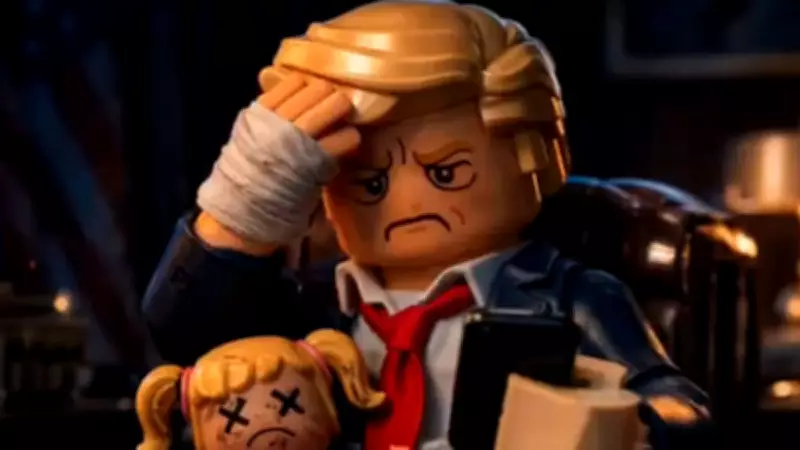
Internet Demands Oscars for Iran's AI Lego Videos Mocking Trump and US Military
A series of AI-generated Lego animation videos originating from Iran, which satirize former US President Donald Trump and critique American military actions, has taken social media by storm, triggering an overwhelming wave of online reactions. Users across platforms are not only applauding the videos for their exceptional production quality but are also passionately calling for them to receive Oscar awards, highlighting the growing intersection of technology, politics, and digital humor in global discourse.
Viral Sensation with High Production Values
The video, shared by the account Explosive Media on April 6, 2026, features clever Lego-style animations that mock Trump and depict US soldiers in a critical light, accompanied by provocative captions. Within just 48 hours of its release, it garnered massive attention, with viewers expressing astonishment at its sophisticated AI-driven visuals and sharp political commentary. The production quality, often compared to professional animation studios, has been a key point of praise, leading many to question traditional award boundaries.
Online Reactions and Oscar Calls
Social media users have flooded platforms with comments lauding the video's creativity and impact. Common reactions include demands for the creators to be honored with Oscars, reflecting a broader trend where internet culture challenges conventional media accolades. The hashtag #OscarsForIranAI has trended in some regions, underscoring how digital content can resonate globally and spark conversations about art, politics, and recognition in the AI era.

Context and Implications
This incident occurs against a backdrop of ongoing tensions in the Middle East, particularly involving Iran and the United States. By using AI and Lego—a universally recognizable toy brand—the videos cleverly blend humor with serious critique, making complex geopolitical issues accessible to a wide audience. Analysts note that such content exemplifies how technology is reshaping propaganda and satire, allowing nations and individuals to engage in soft power battles through viral media.
As the video continues to circulate, it raises questions about the future of content creation, where AI tools enable high-quality productions from unexpected sources, potentially disrupting entertainment and political narratives worldwide.






