

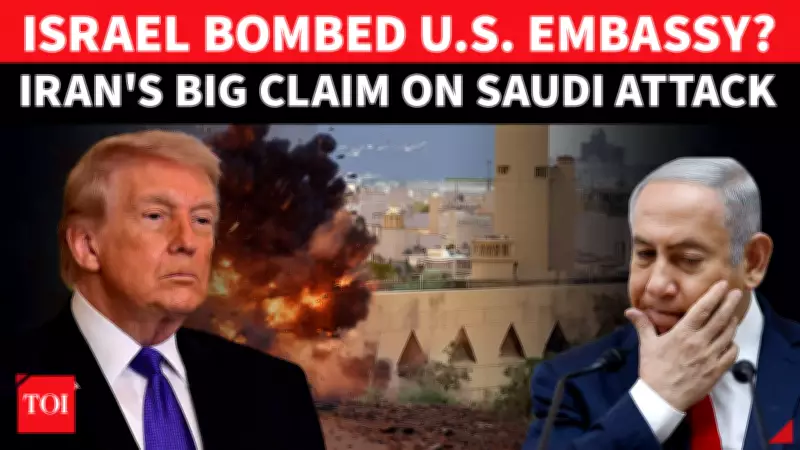
Iran Points Finger at Israel for Alleged U.S. Embassy Attack in Saudi Arabia
In a dramatic escalation of regional tensions, Iran's Islamic Revolutionary Guard Corps (IRGC) has categorically denied any involvement in a reported attack on the U.S. Embassy in Riyadh, Saudi Arabia. Instead, Tehran has pointed the blame squarely at Israel, accusing it of carrying out the assault. This accusation comes at a time of heightened conflict following the assassination of Iranian leader Ali Khamenei, with Iran and a U.S.-Israel alliance exchanging strikes across the Middle East.
Escalating Tensions and Saudi Frustration
The IRGC's denial and counter-accusation against Israel add fuel to an already volatile situation. Regional observers note that this development could further strain diplomatic relations and increase the risk of broader military confrontations. Concurrently, Saudi Arabia is reportedly expressing growing frustration with U.S. President Donald Trump's handling of the ongoing war. Sources indicate that Saudi officials are concerned about what they perceive as unpredictable decisions and escalating rhetoric from the Trump administration, which they fear may exacerbate instability in the Gulf region.
Wider Implications for Gulf Security
Concerns are mounting among Gulf states over the potential for strikes on Iranian infrastructure, which many fear could trigger a cycle of retaliation and deepen instability across the Middle East. The situation remains fluid, with international monitors warning that any miscalculation could lead to a wider conflict involving multiple nations. The U.S. Embassy attack allegation, whether proven or not, underscores the fragile security environment and the complex web of alliances and animosities defining current Middle Eastern politics.

- Iran's IRGC denies attacking the U.S. Embassy in Riyadh, blaming Israel instead.
- The accusation follows the assassination of Ali Khamenei and ongoing strikes between Iran and U.S.-Israel forces.
- Saudi Arabia is reportedly frustrated with U.S. President Trump's war policies, citing unpredictability.
- Gulf states fear strikes on Iranian infrastructure could lead to wider retaliation and increased instability.
As the situation develops, the international community is closely watching for any signs of de-escalation or further provocations that could impact global security and oil markets. The allegations and denials highlight the critical need for diplomatic engagement to prevent a full-scale regional war.






