

Iran Holds US Accountable for Disruptions in Global Energy Routes
In a significant escalation of geopolitical tensions, Iran has publicly accused the United States of being responsible for disruptions in vital global energy routes. This accusation comes amid heightened instability in the Middle East, with Tehran vowing to hold Washington accountable for any interference that threatens regional security and international trade flows.
Strait of Hormuz at the Center of Dispute
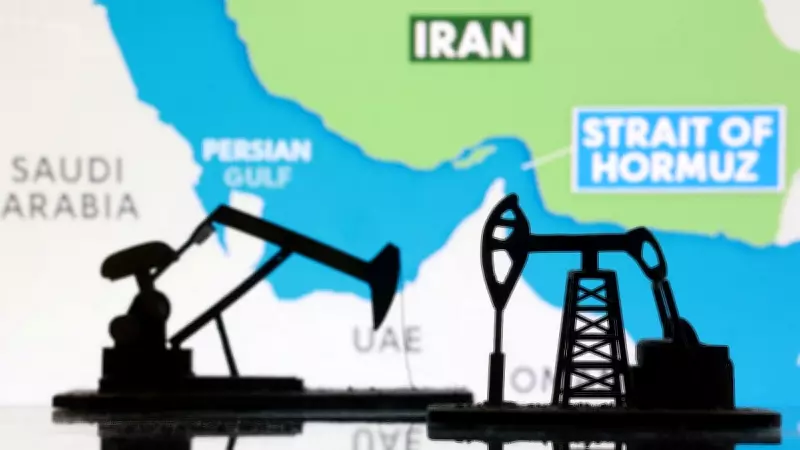
The Strait of Hormuz, a critical chokepoint through which approximately one-fifth of the world's oil passes, has emerged as a focal point in this dispute. Iranian officials have asserted that US actions, including military deployments and sanctions, are deliberately destabilizing this strategic waterway. They argue that such maneuvers not only jeopardize Iran's economic interests but also pose a severe risk to global energy supplies, potentially leading to price volatility and supply chain disruptions worldwide.
Iranian authorities have emphasized that the United States must bear full responsibility for any consequences arising from these disruptions. This statement underscores Tehran's firm stance against what it perceives as aggressive US policies aimed at isolating Iran economically and politically. The rhetoric suggests a readiness to retaliate or take defensive measures if US activities continue to impede energy transit through the region.

Broader Implications for Middle East Stability
Beyond the Strait of Hormuz, Iran's accusations extend to other key energy routes in the Middle East, where US influence is seen as a destabilizing force. The ongoing conflicts and diplomatic rifts in the area, often fueled by US-Iran animosities, have already caused sporadic interruptions in oil and gas shipments. Iran warns that further US involvement could exacerbate these issues, leading to more widespread economic and security challenges.
The situation highlights the fragile balance of power in the Middle East, where energy resources are a constant source of contention. Iran's move to publicly blame the US reflects its strategy to rally regional and international support against American policies, while also signaling its determination to protect its sovereignty and economic assets. Analysts note that this could lead to increased naval confrontations or cyber attacks targeting energy infrastructure, further complicating global efforts to ensure stable energy markets.
Potential Responses and International Reactions
In response to the US actions, Iran has hinted at possible countermeasures, though specifics remain undisclosed. These could include enhanced military patrols in the Strait of Hormuz, economic partnerships with other nations to bypass US sanctions, or diplomatic campaigns in international forums like the United Nations. The international community, particularly energy-dependent countries, is closely monitoring the situation, as any escalation could have ripple effects on oil prices and economic stability.
The US has yet to issue a formal response to Iran's latest accusations, but historically, it has defended its actions as necessary for regional security and counterterrorism. This ongoing tit-for-tat between Tehran and Washington underscores the deep-seated tensions that continue to shape Middle Eastern geopolitics, with energy routes serving as a critical battleground. As both nations navigate this complex landscape, the risk of miscalculation or unintended conflict remains high, posing a persistent threat to global energy security.






