Iran has significantly strengthened protections around its stockpile of near bomb-grade uranium in recent weeks, reportedly collapsing access tunnels and laying explosive mines around key nuclear sites.
Fortifications Escalate Access Difficulty
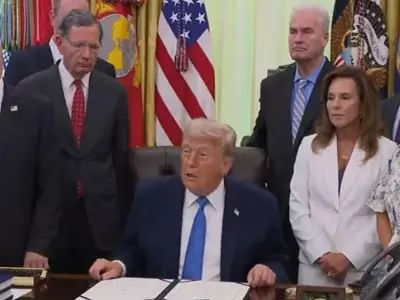
According to CNN, Iran has dramatically escalated efforts to make collapsing tunnels and booby-trapping entrances with explosive mines near uranium. The move has made it substantially more difficult than it already was a month back to access the roughly half-tonne of highly enriched uranium believed to be stored underground, particularly at the Isfahan nuclear complex in central Iran. CNN quoted intelligence sources claiming that the fortifications were carried out after US President Donald Trump publicly suggested that Washington could seize the material if necessary.
Impact on Nuclear Negotiations
The developments complicate ongoing negotiations between Washington and Tehran over Iran’s nuclear programme. Trump has repeatedly described securing the uranium stockpile as a key objective in efforts to end the conflict and restore shipping through the Strait of Hormuz. US negotiators, meanwhile, are claiming that an agreement is nearing under which Iran would hand over its enriched uranium to the United States. The material would be neutralised and removed from the country. However, both sides have offered differing accounts of the proposed arrangement, and the exact terms remain unclear.

Technical Challenges for Retrieval
Experts warn that retrieving the uranium has now become a far more complex undertaking. Accessing the material would require extensive excavation and de-mining operations, posing significant technical and safety challenges even for Iran itself. Former US nuclear official Scott Roecker said the reported fortifications could complicate efforts to verify and remove Iran’s stockpile. He cautioned that Tehran could potentially claim that portions of the uranium are inaccessible, making it difficult for international inspectors to confirm whether all of the material has been accounted for.
Storage and Risks
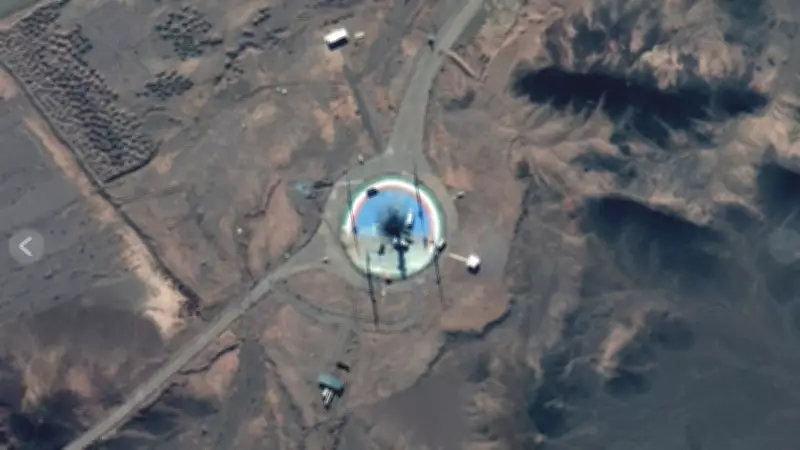
Most of the uranium is believed to be stored within collapsed tunnels at Isfahan, with smaller quantities kept at other locations. US military planners had reportedly examined options to seize the material earlier this year but concluded that such an operation would carry considerable risks. Trump has previously acknowledged the difficulties involved in recovering the uranium by force, arguing that US intelligence closely monitors the sites. However, some officials believe his public comments may have prompted Iran to further reinforce the facilities.
Path to a Potential Deal
Even if a deal is finalised, negotiators are expected to spend weeks working through technical details. Removing the uranium would likely require specialised equipment and expertise from the US National Nuclear Security Administration. Experts say the process could take weeks to complete, reflecting the growing complexity of securing Iran’s nuclear stockpile.