

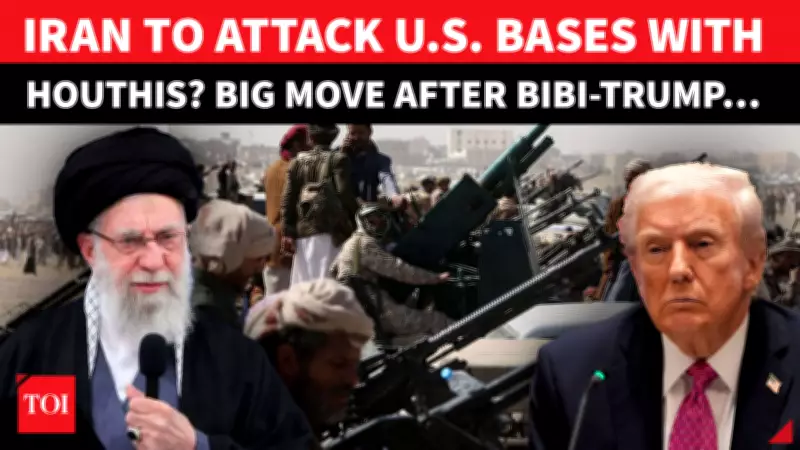
Iran Mobilizes Regional Allies as Netanyahu and Trump Convene in Washington
In a strategic move to counter escalating threats, Iran has initiated high-level diplomatic outreach to key regional allies, including the Houthi movement in Yemen and officials in Oman, as Israeli Prime Minister Benjamin Netanyahu arrives in Washington for critical talks with former U.S. President Donald Trump. This development comes amid growing concerns over potential renewed military or political actions by the United States or Israel, which could destabilize the already fragile security landscape of the Middle East.
Behind-the-Scenes Diplomacy and Pressure Points
Iran's top security leadership is actively engaging in behind-the-scenes diplomacy, with quiet meetings held in Oman and direct outreach to Houthi leaders, signaling Tehran's intent to build leverage and prepare pressure points. These efforts are part of a broader strategy to bolster Iran's position as nuclear negotiations remain precarious and the risk of conflict looms larger. The activation of these channels underscores Iran's perception of an imminent threat from the anticipated outcomes of the Netanyahu-Trump summit.
Netanyahu and Trump's High-Stakes Agenda
Meanwhile, Netanyahu's visit to Washington marks a pivotal moment in Middle East geopolitics, as he and Trump are expected to discuss a "big plan" that could involve tougher stances on Iran, including potential military options or enhanced sanctions. This collaboration between Israel and the U.S., under Trump's leadership, is viewed by Tehran as a direct challenge, prompting swift and calculated responses from Iranian officials to mitigate any adverse impacts on their regional influence.

Collision of Diplomacy, Deterrence, and Force
The Middle East is now entering another tense phase where diplomacy, deterrence, and the threat of force are colliding once again. Iran's outreach to allies aims to create a united front capable of resisting external pressures, while the U.S.-Israeli alliance seeks to assert dominance in the region. This dynamic sets the stage for potential escalations, with all parties maneuvering to secure their interests in a volatile environment.
Key developments include:
- Iran's engagement with Houthi forces to strengthen proxy capabilities in Yemen.
- Diplomatic meetings in Oman to coordinate regional strategies.
- Netanyahu and Trump's discussions on hardening policies against Iran.
- Ongoing fragility in nuclear talks, adding to the uncertainty.
As these events unfold, the international community watches closely, aware that any misstep could lead to broader conflicts, underscoring the critical need for cautious diplomacy and strategic foresight in navigating the complex Middle East landscape.






