

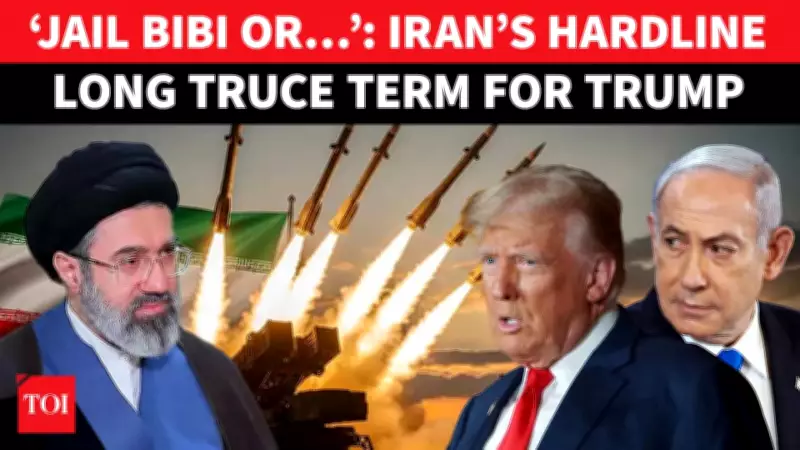
Iran Connects Regional Ceasefire to Netanyahu's Legal Troubles
Iran is broadening its strategic approach in the Middle East, moving beyond military engagements to directly tie the ongoing conflict to the political fate of Israeli Prime Minister Benjamin Netanyahu. In a significant statement, Iranian Foreign Minister Abbas Araghchi emphasized that a comprehensive and sustained ceasefire across the region, particularly involving Lebanon, could "hasten" Netanyahu's imprisonment. This comment references the Israeli leader's ongoing criminal trial, which has been a major point of contention in Israeli politics.
Expanding the Conflict's Framework
The remarks from Tehran indicate a shift in how Iran is framing the war, not solely as a military confrontation but as a battle with profound political repercussions within Israel. By linking ceasefire efforts to Netanyahu's personal legal challenges, Iran aims to exert pressure and influence the domestic political landscape of its adversary. This strategy suggests that Tehran views the conflict as an opportunity to weaken Netanyahu's position and potentially destabilize his government.
Implications for Regional Diplomacy
Araghchi's statement underscores Iran's intent to use diplomatic and political tools alongside military actions. The call for a ceasefire in Lebanon and other areas is presented as a condition that could indirectly impact Netanyahu's trial proceedings. This approach highlights Iran's growing confidence in leveraging regional dynamics to achieve broader geopolitical goals, including influencing Israeli internal affairs.

Background on Netanyahu's Trial
Benjamin Netanyahu is currently facing multiple criminal charges, including bribery, fraud, and breach of trust, in a high-profile trial that has captivated Israel. The proceedings have been ongoing for years, with Netanyahu maintaining his innocence and attributing the charges to a political witch hunt. Iran's intervention in this context adds an international dimension to the trial, potentially complicating Netanyahu's legal and political standing.
Regional Reactions and Future Outlook
The Iranian foreign minister's comments are likely to draw reactions from various stakeholders in the Middle East. Israel may view this as an attempt to interfere in its sovereign matters, while other regional players could see it as a strategic move by Iran to gain leverage in ceasefire negotiations. As tensions persist, the interplay between military conflicts and political maneuvers will continue to shape the region's stability, with Iran positioning itself as a key actor in both spheres.






