

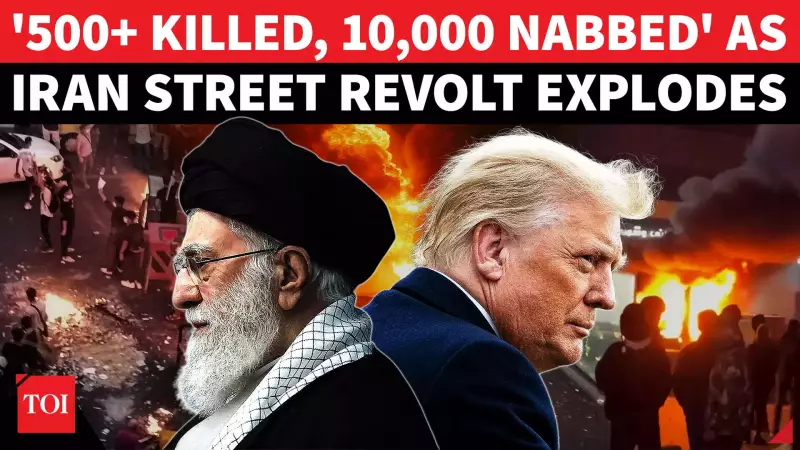
Iran is currently engulfed in one of its most severe internal crises in recent years, with widespread protests meeting a fierce and deadly security crackdown. According to reports from activist groups, the death toll has surged past 500 individuals, while thousands more have been detained by authorities. The government, facing the most significant wave of demonstrations in years, has responded by imposing a comprehensive communications blackout, severing internet and phone access across the nation to control the narrative and suppress dissent.
Nationwide Blackout and Escalating Violence
As protests continue to sweep through major Iranian cities, the government's decision to cut off digital connectivity has raised major alarms among international human rights observers. This sweeping communications blackout has effectively isolated protesters and made it difficult for accurate information to flow out of the country. Activists warn that this lack of visibility is creating a dangerous environment, potentially enabling security forces to employ harsher measures against demonstrators without international scrutiny. Videos and reports that do manage to leak out depict scenes of significant unrest, with clashes between citizens and state forces becoming increasingly common.
International Dimensions and Accusations
The domestic turmoil has rapidly escalated into a geopolitical flashpoint. The Iranian government, led by Supreme Leader Ayatollah Ali Khamenei, has pointed fingers at external forces, explicitly blaming the United States and Israel for fomenting the unrest. Tehran has issued stern warnings to both nations against any form of intervention, framing the protests as a foreign-backed plot rather than an organic domestic movement. This accusation has significantly raised the stakes, transforming an internal conflict into a potential trigger for broader regional confrontation.

Global Reactions and the Risk of Wider Conflict
On the other side of the standoff, Washington has openly expressed support for the Iranian protesters' rights. More critically, reports indicate that the U.S. is actively weighing military and cyber options in response to the crisis, a move that has injected a volatile element into an already tense situation. This combination of internal repression and external posturing has created a perfect storm, with fears mounting that the situation in Iran's streets could ignite a wider and more dangerous conflict across the Middle East. The world now watches anxiously as a nation's fight for rights risks becoming the focal point of an international power struggle.
The situation remains fluid and extremely dangerous. With a high confirmed death toll, a nationwide information vacuum, and escalating rhetoric between Iran and its adversaries, the path toward de-escalation appears narrow. The coming days will be crucial in determining whether this crisis can be contained within Iran's borders or if it will spill over, reshaping the regional security landscape.






