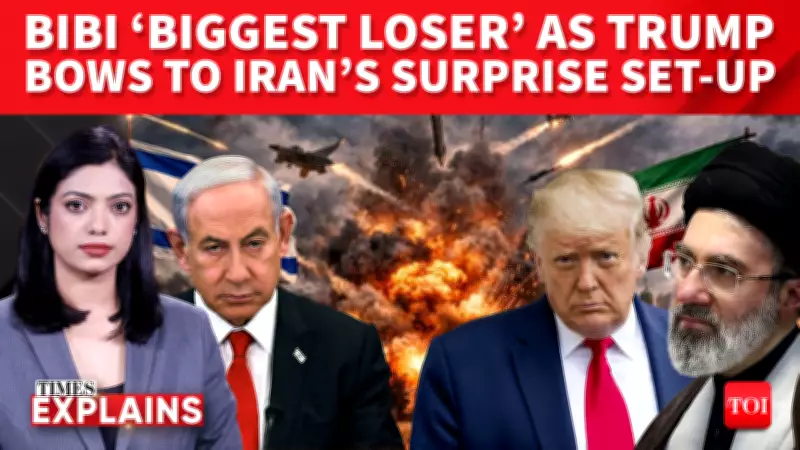
Israel entered the conflict expecting Iran to buckle under pressure, but the outcome is unfolding into a political shockwave of its own. As reports point to a U.S.–Iran agreement framework involving sanctions relief and oil export waivers, questions are emerging over shifting alliances and strategic miscalculations.
Strategic Setback for Israel
Instead of a decisive breakthrough, the situation has exposed limits, miscalculations, and unexpected resilience on all sides. What was meant to cement dominance is now being debated as a strategic setback with far-reaching consequences for Israel, the United States, and the broader Middle East.
Netanyahu Emerges as the Biggest Loser
This new Times Explains episode decodes how Iran and the U.S. are set to sign a historic deal - and why Benjamin Netanyahu emerges as the biggest loser. The anticipated victory has crumbled, leaving Israeli leadership grappling with shattered ties to Washington and a recalibrated regional power dynamic.

- Sanctions relief and oil export waivers are key components of the emerging U.S.-Iran framework.
- Israeli miscalculations have strained the longstanding alliance with the United States.
- The deal reshapes Middle Eastern geopolitics, diminishing Israel's leverage.
Analysts warn that this shift could embolden Iran and weaken Israel's strategic position, prompting a reevaluation of defense and diplomatic policies in the region.