

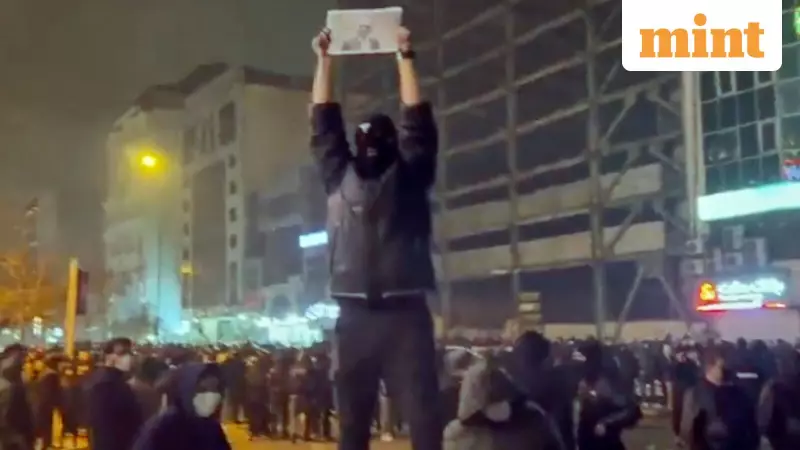
Iran's top prosecutor issued a stark warning on Saturday, January 10, stating that participants in the ongoing nationwide protests, and even those who assist them, will be treated as "enemies of God," a capital offense carrying the death penalty. The threat comes as the demonstrations, sparked by economic grievances, near their two-week mark amidst a severe government crackdown.
Harsh Legal Threat and Escalating Crackdown
In a statement broadcast by state television, Attorney General Mohammad Movahedi Azad directed prosecutors to act swiftly and without mercy. "Prosecutors must carefully and without delay, by issuing indictments, prepare the grounds for the trial and decisive confrontation," he declared. He emphasized that legal proceedings must be conducted "without leniency, compassion or indulgence."
This ominous warning unfolded against a backdrop of a near-total internet and phone line shutdown, severely limiting information flow from inside the country. According to the U.S.-based Human Rights Activists News Agency, the death toll has climbed to at least 72, with more than 2,300 people detained. Iranian state media, however, has focused on casualties among security forces, maintaining that authorities have control over the situation.

Contradictory Narratives and Mounting Tensions
While state TV claimed calm had returned to most cities, including Tehran, and aired footage of pro-government rallies, verified videos told a different story. The Associated Press confirmed footage showing large crowds in Tehran's Saadat Abad district chanting "Death to Khamenei!"—a direct challenge to Supreme Leader Ayatollah Ali Khamenei, who has signaled support for a harsher response.
Semiofficial media outlets reported multiple security force deaths. The Young Journalists' Club stated three Basij militia members were killed in Gachsaran, with other reports citing police officer deaths in Bandar Abbas and Gilan, and a security official stabbed in Hamadan. The Tasnim news agency claimed nearly 200 individuals from "operational terrorist teams" were arrested, allegedly in possession of firearms and explosives.
International Reactions and Fears of Worse to Come
The crisis has drawn significant international attention. US President Donald Trump voiced strong support for the demonstrators on social media, writing, "Iran is looking at FREEDOM, perhaps like never before. The USA stands ready to help!!!" Meanwhile, rights activists express deep concern that the information blackout could enable a violent crackdown reminiscent of past protests.
Ali Rahmani, son of imprisoned Nobel laureate Narges Mohammadi, voiced these fears, stating, "After what happened in 2019, we can only fear the worst." The protests, which began on December 28 over the collapsing value of the Iranian rial—now exceeding 1.4 million to the US dollar—have evolved into a broader challenge against the country's theocratic rule. Calls from exiled figures like former crown prince Reza Pahlavi to continue demonstrations and display pre-1979 flags suggest the unrest shows little sign of abating despite the severe threats and arrests.






