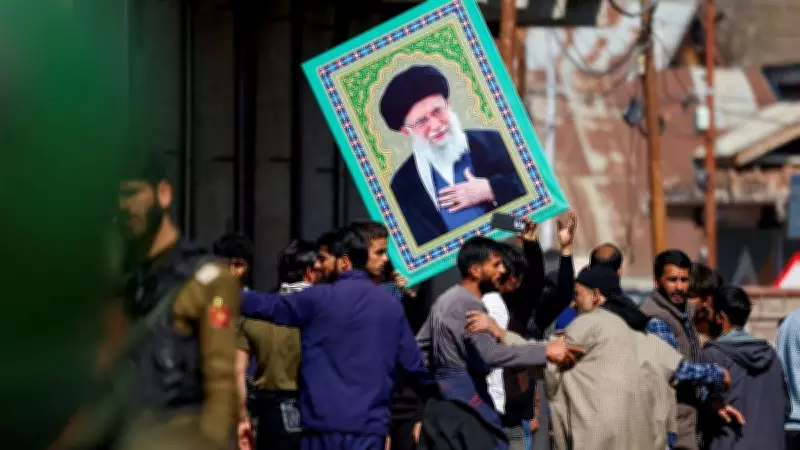
Iranian Authorities Officially Deny Reports of Mojtaba Khamenei's Succession
The government of Iran has issued a formal denial regarding widespread media reports that suggested Mojtaba Khamenei, the son of Supreme Leader Ayatollah Ali Khamenei, has been appointed as his father's successor. This statement comes in response to earlier coverage from Israeli media outlets, which claimed that Mojtaba had been selected to take over the role of Supreme Leader in the future.
Official Statement from Iranian Consulate
In a clear and direct communication, the Consulate General of the Islamic Republic of Iran in Mumbai took to social media to address the speculation. The consulate explicitly stated that the reports circulating about potential leadership candidates chosen by Iran's Assembly of Experts have no official source and are officially denied. This declaration was made public on March 4, 2026, emphasizing the government's position on the matter.
Context of the Media Reports
Earlier reports, primarily originating from Israeli media, had generated significant international attention by alleging that Mojtaba Khamenei was being groomed to succeed his father. Ayatollah Ali Khamenei, who has served as Iran's Supreme Leader since 1989, is a pivotal figure in the country's political and religious landscape. The role of Supreme Leader holds immense power in Iran, overseeing key state institutions and guiding national policy.

The Assembly of Experts, a body of Islamic clerics in Iran, is constitutionally responsible for appointing and supervising the Supreme Leader. However, the Iranian government's denial underscores that no official decision or announcement has been made regarding succession plans. This move aims to quell rumors and maintain stability within Iran's political framework.
Implications and Reactions
The denial from Iranian authorities highlights the sensitivity surrounding leadership transitions in the country. Speculation about Mojtaba Khamenei's potential rise has been a topic of discussion in international circles, given his background and influence within Iran's clerical establishment. By publicly refuting these claims, the government seeks to control the narrative and prevent misinformation from spreading.
This development occurs against a backdrop of ongoing geopolitical tensions, including the Iran-US conflict and broader Middle Eastern dynamics. Accurate information about Iran's internal affairs is crucial for global observers, making such official clarifications significant. The government's stance reinforces that any future succession decisions will follow established constitutional processes, rather than informal media speculation.
As of now, the situation remains unchanged, with Ayatollah Ali Khamenei continuing in his role, and no official successor named. The Iranian government's firm denial serves as a reminder of the importance of verifying sources in international news reporting.