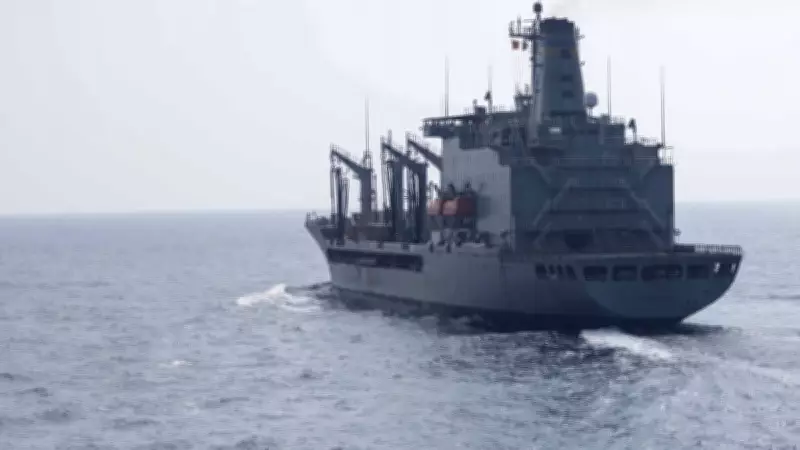
Iran's Revolutionary Guards Proclaim Uncontested Authority Over Strategic Strait of Hormuz
In a significant development that underscores escalating tensions in the Middle East, Iran's Islamic Revolutionary Guard Corps (IRGC) has officially announced its complete and unchallenged control over the Strait of Hormuz. This narrow but vital waterway serves as a critical global chokepoint for oil shipments, with approximately one-fifth of the world's petroleum passing through its waters annually. The declaration, made by senior IRGC commanders, represents a bold assertion of Iran's military capabilities and strategic influence in the region.
Heightened Maritime Security Concerns as Iran Issues Stern Warning to Shipping Vessels
The IRGC's statement was accompanied by a stark warning directed at all maritime traffic navigating the strait. Iranian authorities explicitly cautioned ships about the elevated risks posed by potential missile strikes and drone attacks originating from Iranian territory. This advisory highlights the growing volatility in the area, where geopolitical rivalries and security threats have intensified in recent months. Analysts note that such warnings are rare and indicate a readiness by Iran to enforce its claims through military means if necessary.
The Strait of Hormuz is not merely a local concern but a focal point of international energy security. Its strategic importance cannot be overstated, as disruptions here could trigger global oil price spikes and supply chain chaos. Iran's latest move is seen as a direct challenge to Western powers and regional adversaries, particularly in light of ongoing diplomatic standoffs and sanctions. The IRGC's control assertion is likely a calculated response to external pressures, aiming to project strength and deter any perceived threats to Iranian sovereignty.

Implications for Global Trade and Regional Stability
This development has immediate and far-reaching consequences for global trade dynamics. Shipping companies and international insurers are now on high alert, reassessing routes and security protocols to mitigate risks. The warning about missiles and drones adds a new layer of complexity, as asymmetric warfare tactics could complicate naval defenses and increase the likelihood of accidental escalations. Regional powers, including Saudi Arabia and the United Arab Emirates, have expressed concerns, calling for diplomatic interventions to de-escalate the situation.
Experts warn that Iran's actions could precipitate a broader conflict if not managed carefully. The United States and its allies have historically maintained a military presence in the region to safeguard freedom of navigation, and any Iranian attempt to block the strait would likely provoke a forceful response. However, the IRGC's announcement stops short of an outright blockade, instead emphasizing control and risk warnings, which may be a strategic ambiguity to test international reactions.
Historical Context and Future Outlook
Iran has long viewed the Strait of Hormuz as a vital national interest, leveraging its geographic position to exert influence. Past incidents, such as tanker seizures and naval confrontations, have demonstrated Tehran's willingness to disrupt maritime traffic to achieve political objectives. The current claim of complete control builds on this history, signaling a more assertive posture amid stalled nuclear negotiations and regional proxy conflicts.

- Increased Military Patrols: The IRGC has reportedly bolstered its naval and aerial surveillance in the strait, deploying additional assets to monitor and potentially intercept vessels.
- Diplomatic Fallout: International bodies, including the United Nations, are expected to address the issue, with calls for dialogue to prevent miscalculations.
- Economic Ramifications: Oil markets are closely watching developments, as any escalation could lead to supply disruptions and price volatility.
In summary, Iran's declaration of full control over the Strait of Hormuz, coupled with explicit warnings about missile and drone threats, marks a critical juncture in Middle Eastern geopolitics. It underscores the fragile balance between national sovereignty and global commerce, with potential repercussions for peace and stability worldwide. Stakeholders are urged to remain vigilant as the situation evolves, with diplomatic efforts being paramount to averting a crisis.