

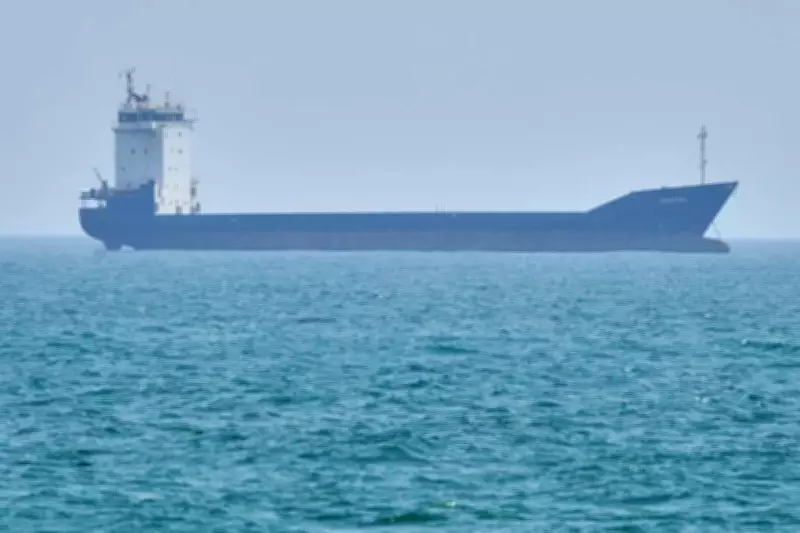
Iranian Gunboats Fire on Commercial Tanker in Strait of Hormuz
In a significant escalation of maritime tensions, Iranian gunboats reportedly opened fire on a commercial tanker navigating the strategic Strait of Hormuz. This incident occurs as Iran has reimposed restrictions on shipping in this critical waterway, raising alarms about regional security and global oil supply chains.
Details of the Attack and Immediate Aftermath
According to initial reports, the attack took place in the early hours, with Iranian naval vessels targeting the tanker with gunfire. The vessel, whose identity and nationality have not been fully disclosed, sustained minor damage but managed to continue its journey without casualties reported among the crew. The Strait of Hormuz, a narrow chokepoint between the Persian Gulf and the Gulf of Oman, is a vital conduit for approximately one-fifth of the world's oil shipments, making any disruption here a matter of international concern.
Iran's Reimposed Restrictions: Concurrently, Iran has announced the reimposition of maritime restrictions in the Strait of Hormuz, citing security and sovereignty concerns. These measures include increased patrols, stricter navigation rules, and potential inspections of vessels, which Iran claims are necessary to combat smuggling and ensure safe passage. However, critics argue that such actions are politically motivated, aimed at asserting control amid ongoing geopolitical tensions with Western nations.

Regional and Global Implications
The firing incident and renewed restrictions have sparked immediate reactions from global powers and regional stakeholders. The United States and its allies have condemned the attack, warning that it threatens freedom of navigation and could destabilize an already volatile region. In response, Iran has defended its actions as lawful and in line with international maritime laws, asserting its right to protect its territorial waters.
Impact on Oil Markets: The Strait of Hormuz is crucial for global energy security, and any perceived threat here often leads to fluctuations in oil prices. Following the news, oil markets experienced a slight uptick in prices due to fears of supply disruptions. Analysts suggest that prolonged tensions could lead to higher fuel costs worldwide, affecting economies already grappling with inflation.
Historical Context and Broader Tensions
This is not the first time Iran has been involved in maritime incidents in the Strait of Hormuz. Over the years, there have been multiple confrontations, including seizures of tankers and naval standoffs, often linked to broader geopolitical conflicts such as the Iran nuclear deal and sanctions. The reimposition of restrictions by Iran is seen by many as a strategic move to leverage its position in ongoing negotiations or to respond to external pressures.
- Security Concerns: The attack highlights the persistent security risks in one of the world's most important shipping lanes, prompting calls for enhanced international patrols and diplomatic efforts to de-escalate tensions.
- Diplomatic Fallout: Nations reliant on oil imports from the Middle East are closely monitoring the situation, with some considering contingency plans to secure alternative routes or increase strategic reserves.
- Regional Dynamics: Neighboring countries, including Saudi Arabia and the United Arab Emirates, have expressed concerns over the incident, fearing it could lead to broader conflicts that disrupt regional stability.
As investigations into the tanker attack continue, the international community is urging restraint and dialogue to prevent further escalation. The incident underscores the fragile balance in the Strait of Hormuz, where economic interests and geopolitical rivalries often collide, with potential repercussions for global peace and prosperity.






