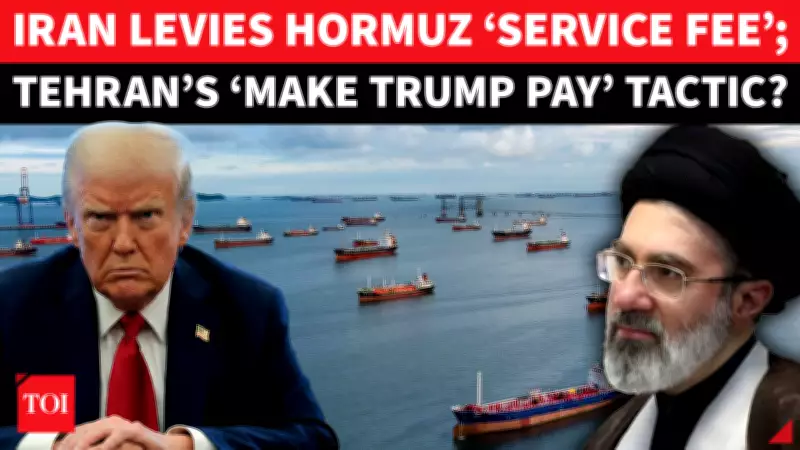
Iran has signaled that ships transiting the Strait of Hormuz may be subject to new maritime service charges, even after its breakthrough peace agreement with the United States. Tehran insists that these fees cover navigation, environmental protection, and insurance services, and are not transit tolls. The announcement comes amid Iran's continued deep mistrust of Washington, despite agreeing to a framework aimed at ending months of conflict.
Details of the New Hormuz Regime
The Iranian government has not yet specified the exact costs or implementation timeline for these charges. However, global shipping firms remain cautious, with many questioning how the new regime will function. The Strait of Hormuz is a critical waterway for global energy markets, and its reopening could reshape oil trade flows and ease a crisis that previously sent prices soaring.
Iran's Stance and US Response
Iranian officials have emphasized that the fees are necessary for maintaining navigation safety and environmental standards in the strait. They also argue that the charges are separate from any political disputes. The US, under President Donald Trump, has not issued an official response, but the peace deal itself has been controversial, with Trump declaring it a major victory while critics argue it may embolden Iran.

Global Implications
The maritime service charges could add costs to international shipping, potentially affecting oil prices and global trade. Analysts warn that if not clearly defined, the fees might lead to disputes or delays. The situation remains fluid, with shipping companies advised to monitor developments closely. The Strait of Hormuz handles about 20% of the world's oil supply, making any changes there significant for energy markets worldwide.
As Iran flexes its control over the waterway, the international community watches for further details. The peace deal's long-term viability may depend on how such issues are resolved.