

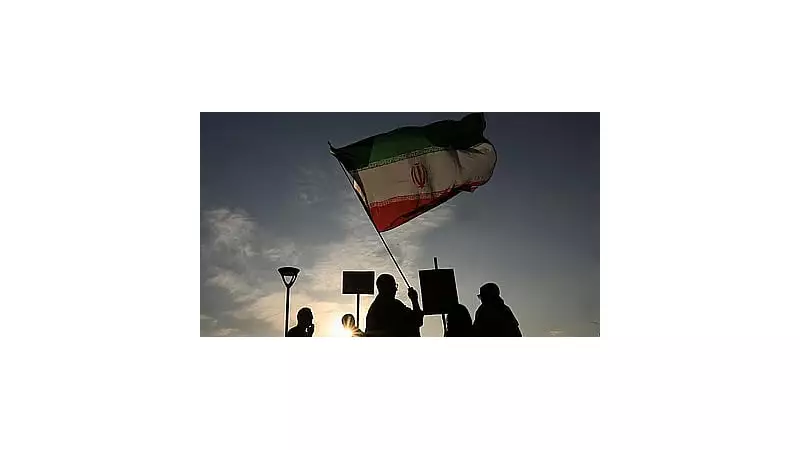
Iran has plunged into a digital darkness, implementing a sweeping internet shutdown across the country as authorities scramble to contain a fresh wave of widespread anti-government protests. The unrest surged following a powerful call to action from exiled Crown Prince Reza Pahlavi, urging citizens to demonstrate against the ruling establishment.
Nationwide Blackout to Quell Dissent
The Iranian government moved aggressively to cut off digital communication, imposing a near-total internet blackout starting from the early hours of Friday. This drastic measure is a direct response to the spontaneous protests that erupted in multiple cities after Prince Reza Pahlavi's message circulated online. The exiled prince, son of the late Shah Mohammad Reza Pahlavi, called for a "final struggle" to reclaim the nation, a message that resonated powerfully with many Iranians, particularly the youth.
Reports from digital rights monitors like NetBlocks confirm a significant disruption to internet connectivity affecting mobile networks and fixed-line services. Access to global platforms and social media apps, which are often used to organize and share evidence of protests, has been severely throttled or completely blocked. This tactic is a familiar one for the Iranian regime, which has repeatedly used internet blackouts during periods of civil unrest to stifle coordination and obscure the scale of demonstrations from the outside world.

Protests Ignite Across Iranian Cities
Despite the communication clampdown, information has trickled out indicating that protests have taken hold in several key locations. Videos and reports emerging before the blackout showed citizens taking to the streets in the capital Tehran, as well as in major cities like Isfahan, Shiraz, and Mashhad. The protests appear to be driven by deep-seated economic grievances and political frustration, which Prince Pahlavi's call successfully galvanized.
The demonstrations are notably leaderless and decentralized, making them harder for security forces to predict and crush. Chants heard in the videos target the entire governing system, reflecting a broad-based discontent that goes beyond specific policies. The timing is also critical, as the country continues to grapple with severe inflation, international isolation, and the lingering aftermath of the 2022-2023 protest movement triggered by the death of Mahsa Amini.
International Scrutiny and Regime's Response
The international community is watching the situation closely. Human rights organizations have swiftly condemned the internet shutdown as a violation of fundamental freedoms and an attempt to hide potential human rights abuses. Global powers are likely to increase pressure on Tehran, questioning its actions against its own people. Inside Iran, the regime has deployed a heavy security presence in anticipation of further unrest. The Islamic Revolutionary Guard Corps (IRGC) and Basij militia are reported to be on high alert, setting the stage for potential confrontations.
This latest crisis underscores the persistent and volatile tension between the Iranian government and a significant portion of its population. The use of an internet blackout, while a blunt tool of control, also signals the authorities' fear of the organizing power of digital networks and the potent symbolism of the Pahlavi name for some segments of society. The coming days will be a severe test of the regime's ability to maintain order and of the protesters' resilience in the face of a near-total information blackout.
The outcome of these protests remains uncertain. However, the immediate trigger—the call from an exiled figurehead—and the government's severe reaction highlight the fragile and deeply polarized state of Iranian politics. The world now waits to see if the darkness imposed online will extinguish the flames of protest or merely cause them to smolder until they find another outlet.






