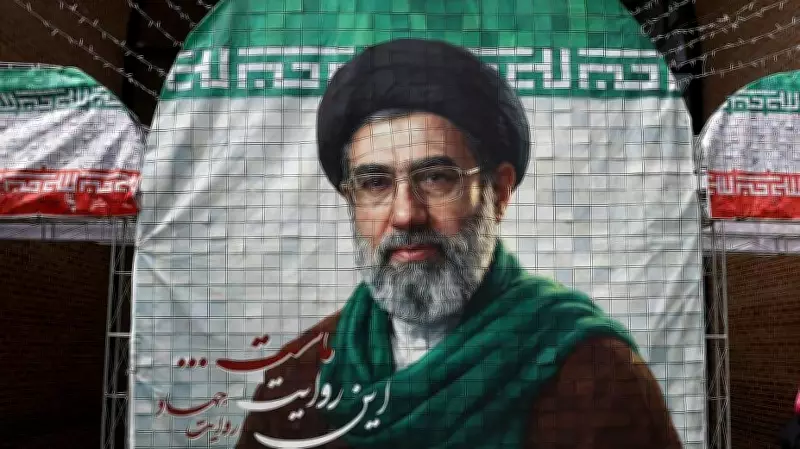
Iran's Supreme Leader Mojtaba has declared that the country's stockpile of enriched uranium must remain within its borders, according to a recent report. This statement directly contradicts claims from Israeli officials that the United States has assured Israel that the highly enriched uranium, which is necessary for producing an atomic weapon, would be removed from Iran as part of any potential peace agreement.
Contradicting Reports on Uranium Stockpile
The report, citing Israeli officials, alleged that US President Donald Trump had given assurances to Israel that Iran's enriched uranium would be shipped out of the country. However, Supreme Leader Mojtaba's firm stance indicates that Iran is unwilling to relinquish its nuclear material, which it insists is for peaceful purposes. The uranium in question is enriched to levels that could potentially be used to manufacture a nuclear weapon, raising concerns among Western nations and regional adversaries.
Implications for Peace Negotiations
The disagreement over the uranium stockpile highlights a major obstacle in ongoing peace negotiations between Iran and the international community. Israeli officials have stated that any final deal must include a clause mandating the removal of the enriched uranium from Iran. Mojtaba's rejection of this condition suggests that talks may face significant hurdles. The Supreme Leader's position is likely to be supported by hardliners within Iran's political establishment, who view the nuclear program as a symbol of national sovereignty and technological achievement.

Analysts note that the uranium stockpile is a key bargaining chip for Iran, and its removal would require substantial concessions from the US and its allies. The standoff could lead to increased tensions in the Middle East, with Israel potentially considering military action to prevent Iran from obtaining nuclear weapons capability. Meanwhile, the US may seek to impose additional sanctions or diplomatic pressure to compel Iran to comply with the demand.
The report, originally published by Reuters and dated May 21, 2026, has sparked renewed debate over the future of the Iran nuclear deal. As the situation develops, the international community will be watching closely to see whether a compromise can be reached or if the impasse will escalate into a broader conflict.