Iran Officially Appoints Mojtaba Khamenei as New Supreme Leader
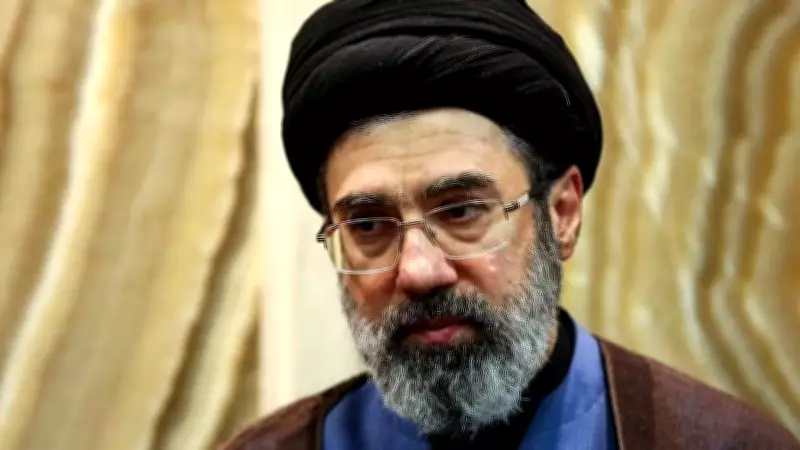
In a significant political development, Iran has formally named Mojtaba Khamenei as the country's new supreme leader, succeeding his father, the late Ayatollah Ali Khamenei. The announcement, made on March 8, 2026, marks a pivotal moment in Iran's governance and has been closely watched by international observers.
Background and Selection Process
Mojtaba Khamenei, a mid-ranking cleric, has long been viewed by key elements within Iran's ruling establishment as a leading candidate to assume the supreme leadership role. His close ties to the powerful Revolutionary Guards have bolstered his position within the political and military hierarchy, making him a natural choice for succession.
The appointment follows a period of deliberation among Iran's top political and religious figures, who have emphasized continuity and stability in the transition. Mojtaba's deep connections to the Revolutionary Guards are expected to play a crucial role in maintaining Iran's strategic policies and internal security framework.

Implications for Iran's Future
This leadership change is poised to shape Iran's domestic and foreign policies in the coming years. As supreme leader, Mojtaba Khamenei will wield significant influence over Iran's military, judicial, and political systems, with his alignment with the Revolutionary Guards likely to reinforce hardline stances on key issues.
Analysts suggest that his appointment could signal a consolidation of power within established factions, potentially impacting regional dynamics in the Middle East. The international community is closely monitoring the situation for any shifts in Iran's approach to diplomacy, nuclear negotiations, and regional conflicts.
Global Reactions and Observations
World leaders and experts are assessing the ramifications of this transition, noting that Mojtaba's leadership may bring both continuity and new challenges. His background as a cleric with strong military ties underscores the intertwined nature of religion and politics in Iran's governance model.
As Iran navigates this new chapter, the focus will be on how Mojtaba Khamenei balances tradition with the evolving demands of a complex geopolitical landscape. The appointment reaffirms the hereditary and institutional dynamics within Iran's power structure, setting the stage for future developments in the region.