

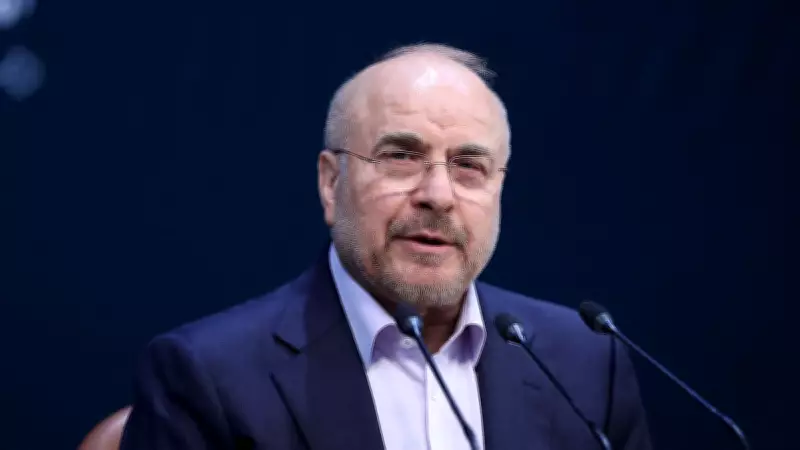
Iran's Top Negotiator Criticizes US Approach in Nuclear Discussions
In a significant statement from Tehran, Ali Bagheri Kani, Iran's chief nuclear negotiator, has openly criticized the United States for its failure to win Iran's trust during the ongoing nuclear negotiations. This declaration sheds light on the persistent challenges and deep-seated mistrust that continue to plague diplomatic efforts between the two nations.
Lack of Concrete Actions from Washington
Bagheri Kani emphasized that the United States did not succeed in building the necessary trust with Iran, primarily due to a lack of tangible and concrete actions from the American side. He pointed out that while diplomatic talks have been held, the absence of substantive steps by Washington has hindered progress and reinforced Iran's skepticism.
The Iranian negotiator highlighted that trust cannot be established through words alone; it requires verifiable actions and commitments. This sentiment reflects Iran's longstanding demand for guarantees and practical measures from the US, especially regarding sanctions relief and the full implementation of any potential agreement.

Context of Ongoing Nuclear Negotiations
The remarks come amid renewed efforts to revive the Joint Comprehensive Plan of Action (JCPOA), commonly known as the Iran nuclear deal. Negotiations have been stalled for months, with both sides accusing each other of intransigence and failing to meet key demands.
Iran has consistently called for the removal of all US sanctions imposed after Washington's withdrawal from the deal in 2018, while the US seeks assurances on Iran's nuclear program limits. Bagheri Kani's comments underscore the critical impasse over these issues, suggesting that without mutual trust, a breakthrough remains elusive.
Implications for Middle East Diplomacy
This development has broader implications for regional stability and international diplomacy in the Middle East. The failure to build trust not only affects bilateral relations but also impacts global efforts to prevent nuclear proliferation and ensure security in the volatile region.
- It may lead to further delays in reviving the nuclear deal, prolonging uncertainty.
- It could escalate tensions, potentially affecting oil markets and geopolitical alliances.
- It highlights the need for more robust confidence-building measures from all parties involved.
As negotiations continue, the international community watches closely, hoping for a resolution that addresses both Iran's economic concerns and the world's security interests. Bagheri Kani's statement serves as a reminder of the complex dynamics at play and the high stakes involved in these critical talks.






