

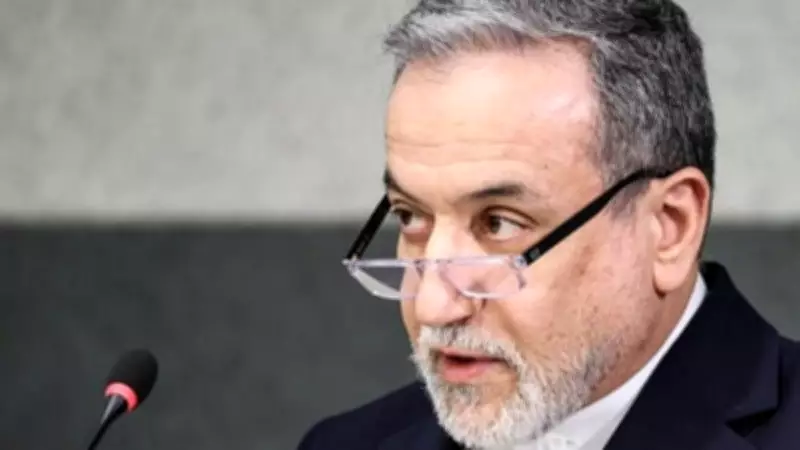
Iran Declares Strait of Hormuz Open for India and Select Friendly Nations
In a significant diplomatic announcement, Iran's Foreign Minister Abbas Araqchi has stated that the strategic Strait of Hormuz is now accessible to India and four other nations deemed friendly by Tehran. This move underscores Iran's efforts to bolster international partnerships and ensure maritime security in a region often marked by geopolitical tensions.
Strategic Access for Key Allies
The Strait of Hormuz, a critical chokepoint for global oil shipments, has been a focal point of international concern due to its vulnerability to disruptions. Minister Araqchi's declaration specifically names India as one of the five nations granted access, reflecting the deepening ties between New Delhi and Tehran. The other countries included in this arrangement have not been publicly disclosed, but the announcement signals Iran's intent to prioritize relationships with nations that support its regional interests.
This development comes amid ongoing efforts by Iran to navigate complex international sanctions and assert its sovereignty in the Persian Gulf. By opening the strait to friendly nations, Iran aims to foster economic cooperation and enhance diplomatic leverage, particularly in energy trade where India is a major importer of Iranian oil.

Implications for India-Iran Relations
For India, this announcement represents a strategic boon, ensuring uninterrupted access to vital energy resources through one of the world's busiest shipping lanes. India has historically maintained cordial relations with Iran, collaborating on projects like the Chabahar Port, which serves as a key gateway for Indian trade with Afghanistan and Central Asia. The access to the Strait of Hormuz further solidifies this partnership, potentially boosting bilateral trade and energy security.
Analysts suggest that this move could also influence regional dynamics, as it aligns with India's broader foreign policy goals in the Middle East. By securing reliable maritime routes, India can mitigate risks associated with geopolitical instability, while Iran gains a powerful ally in its efforts to counter isolation from Western powers.
Regional and Global Context
The Strait of Hormuz has been a flashpoint in recent years, with incidents involving tanker seizures and military standoffs heightening tensions. Iran's decision to grant access to select nations is seen as a calibrated response to these challenges, aiming to de-escalate conflicts while strengthening alliances. This approach contrasts with broader international calls for freedom of navigation in the strait, highlighting Iran's assertion of control over its territorial waters.
- Enhanced maritime security for friendly nations
- Potential increase in oil and trade flows
- Strengthened diplomatic ties in the Middle East
As global powers monitor developments in the region, Iran's announcement underscores the importance of strategic partnerships in maintaining stability. For India, this access not only supports economic interests but also reinforces its role as a key player in Middle Eastern affairs, balancing relations with both Iran and other regional actors.






