

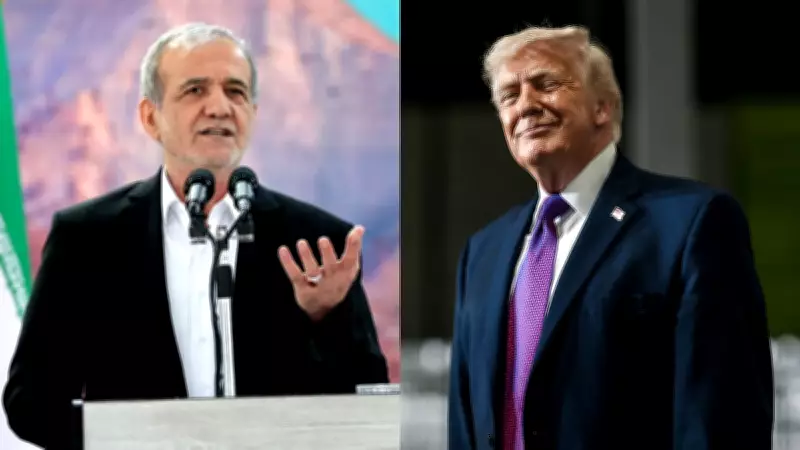
Iranian President Condemns US Hypocrisy in Strongly Worded Address
In a recent public statement, Iranian President Masoud Pezeshkian launched a scathing critique against the United States, accusing it of engaging in what he termed "endless hypocritical rhetoric." The remarks, which have garnered significant attention in international diplomatic circles, highlight the ongoing tensions between the two nations and underscore the deep-seated challenges hindering potential negotiations.
Pezeshkian Lists Key Obstacles to Diplomatic Engagement
President Pezeshkian did not merely criticize; he provided a detailed list of what he views as the primary obstacles preventing meaningful dialogue. According to his address, these barriers include persistent economic sanctions imposed by the US, which he argues cripple Iran's economy and demonstrate a lack of genuine intent for peaceful resolution. Additionally, he pointed to what he described as inconsistent US foreign policies in the Middle East, alleging that American actions often contradict its stated commitments to stability and diplomacy.
The Iranian leader emphasized that such rhetoric from the US creates an environment of distrust, making it exceedingly difficult for Iran to engage in good-faith negotiations. He called for a shift in approach, urging the United States to move beyond what he sees as empty promises and take concrete steps toward de-escalation.

Context of Rising Middle East Tensions
This statement comes amid a backdrop of heightened geopolitical friction in the Middle East, where Iran and the US have long been at odds over issues ranging from nuclear proliferation to regional influence. Pezeshkian's comments reflect Iran's growing frustration with what it perceives as American intransigence and double standards in international affairs.
Analysts note that such public condemnations are not uncommon in Iran-US relations, but Pezeshkian's explicit listing of negotiation obstacles adds a new layer of specificity to the discourse. It signals Iran's willingness to articulate its grievances clearly, potentially setting the stage for future diplomatic exchanges—if both sides can overcome the cited hurdles.
Implications for Regional and Global Diplomacy
The fallout from President Pezeshkian's remarks extends beyond bilateral relations, impacting broader Middle East dynamics. Key stakeholders in the region, including neighboring countries and international organizations, are closely monitoring these developments, as any shift in Iran-US interactions could influence regional security and economic partnerships.
In summary, Iranian President Masoud Pezeshkian's strong condemnation of US hypocrisy and his detailed outline of negotiation obstacles underscore the complex and fraught nature of Iran-US relations. As tensions persist, the path forward remains uncertain, with both nations facing significant challenges in bridging their differences for the sake of regional stability.






