

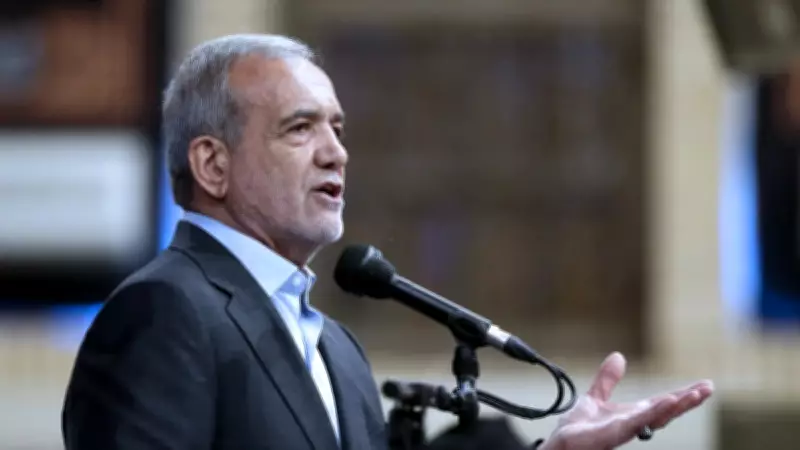
Iranian President Raisi Urges American Public to Question Trump's War Motives
In a bold statement amid escalating geopolitical tensions, Iranian President Ebrahim Raisi has directly appealed to the American people, urging them to critically examine the war motives of former US President Donald Trump. This call comes as Raisi accuses the United States of functioning as a proxy for Israel, a claim that intensifies the already volatile situation in the Middle East.
Raisi's Direct Appeal to Americans
President Raisi's message, delivered through official channels, emphasizes the need for American citizens to question the underlying intentions behind Trump's policies and actions. He argues that such scrutiny is essential for understanding the broader dynamics at play in the region. Raisi's appeal highlights a strategic move to bypass traditional diplomatic channels and engage directly with the public, potentially aiming to influence domestic opinion in the US.
Accusations of US as Israeli Proxy
In his remarks, Raisi labeled the United States as a proxy for Israel, alleging that American foreign policy in the Middle East is heavily influenced by Israeli interests. This accusation is not new in Iranian rhetoric but gains significance given the current context of heightened conflicts and diplomatic standoffs. Raisi contends that this proxy relationship undermines regional stability and sovereignty, calling for a reevaluation of US-Israel ties.

Context of Rising Middle East Tensions
The statement from President Raisi comes against a backdrop of increasing tensions in the Middle East, marked by ongoing conflicts, military posturing, and diplomatic disputes. Iran's relations with both the US and Israel have been particularly strained, with issues ranging from nuclear negotiations to regional proxy wars. Raisi's comments are seen as part of Iran's broader strategy to assert its position and challenge perceived adversaries on the global stage.
Implications for International Relations
This development has significant implications for international relations, potentially affecting diplomatic efforts and regional alliances. By directly addressing Americans, Raisi seeks to shift the narrative and garner support for Iran's perspective. Analysts suggest that such moves could complicate peace initiatives and escalate rhetoric, necessitating careful navigation by all involved parties to prevent further destabilization.
Looking Ahead
As the situation evolves, the international community will closely monitor responses from the US, Israel, and other stakeholders. President Raisi's call for Americans to question war motives and his proxy accusations are likely to fuel debates on foreign policy and Middle East dynamics. The outcome could influence future diplomatic engagements and the overall security landscape in the region.






