

Iranian Academic Dismisses Trump's Profanity as Expected Amid Hormuz Crisis
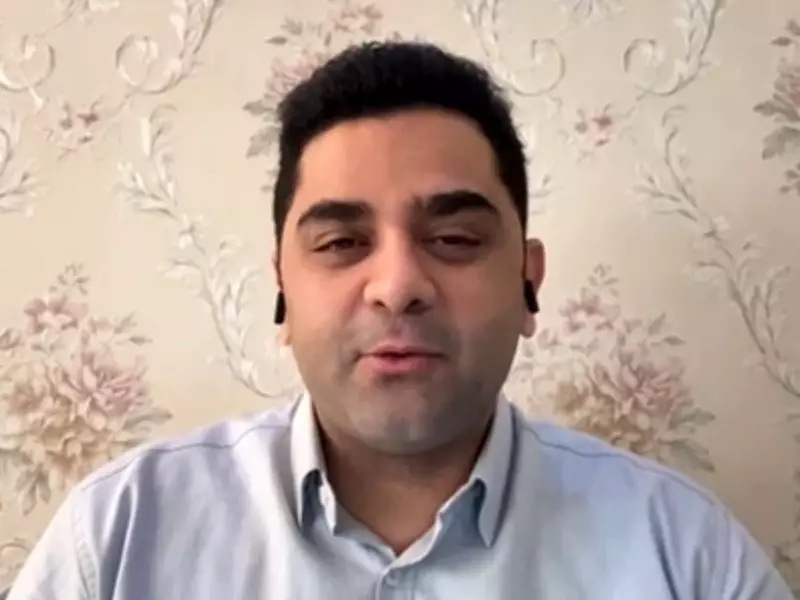
A professor at Isfahan University in Iran has publicly commented that former U.S. President Donald Trump's use of profanity is unsurprising, as tensions escalate over a critical deadline in the Strait of Hormuz. This statement comes at a time of heightened geopolitical risks in the Middle East, with the region bracing for potential disruptions.
Context of the Strait of Hormuz Deadline
The Strait of Hormuz, a vital maritime chokepoint for global oil shipments, is facing a looming deadline that has sparked international concern. Iran has previously threatened to close the strait in response to sanctions and political pressures, particularly from the United States. This situation has put the world on edge, as any closure could severely impact global energy supplies and economic stability.
In this volatile environment, the professor's remarks highlight a broader sentiment within Iran regarding U.S. leadership. The academic emphasized that Trump's provocative language is consistent with his past behavior, which has often included harsh rhetoric towards Iran and other nations.

Analysis of the Professor's Statement
The professor, whose identity has not been fully disclosed in initial reports, argued that Trump's profanity should not be seen as an isolated incident but rather as part of a pattern of unpredictable diplomacy. This perspective reflects a common view in Iran, where many officials and scholars have criticized U.S. foreign policy as aggressive and inconsistent.
Key points from the statement include:
- Trump's language is viewed as unsurprising given his history of confrontational remarks.
- The focus should remain on the substantive issues, such as the Hormuz deadline and its implications for regional security.
- Iran remains prepared to defend its interests in the strait, regardless of external pressures.
Broader Geopolitical Implications
The comments come amid ongoing tensions between Iran and the United States, which have been exacerbated by sanctions, nuclear deal negotiations, and military posturing. The Strait of Hormuz is a flashpoint in this conflict, with both sides engaging in naval exercises and diplomatic maneuvers.
Experts warn that the situation could escalate if the deadline passes without resolution, potentially leading to:
- Increased military activity in the Persian Gulf.
- Disruptions to oil exports, affecting global markets.
- Heightened risks for international shipping and trade routes.
In this context, the professor's dismissal of Trump's profanity serves as a reminder that actions speak louder than words in international relations. Iran's government has consistently emphasized its readiness to respond to any threats, making the Hormuz deadline a critical test of regional stability.
Conclusion
As the deadline in the Strait of Hormuz approaches, the world watches closely for developments that could reshape Middle Eastern geopolitics. The professor's remarks underscore a deep-seated skepticism in Iran towards U.S. leadership, while highlighting the urgent need for diplomatic solutions to prevent further escalation. With global energy security at stake, the coming days will be pivotal for all parties involved.






